


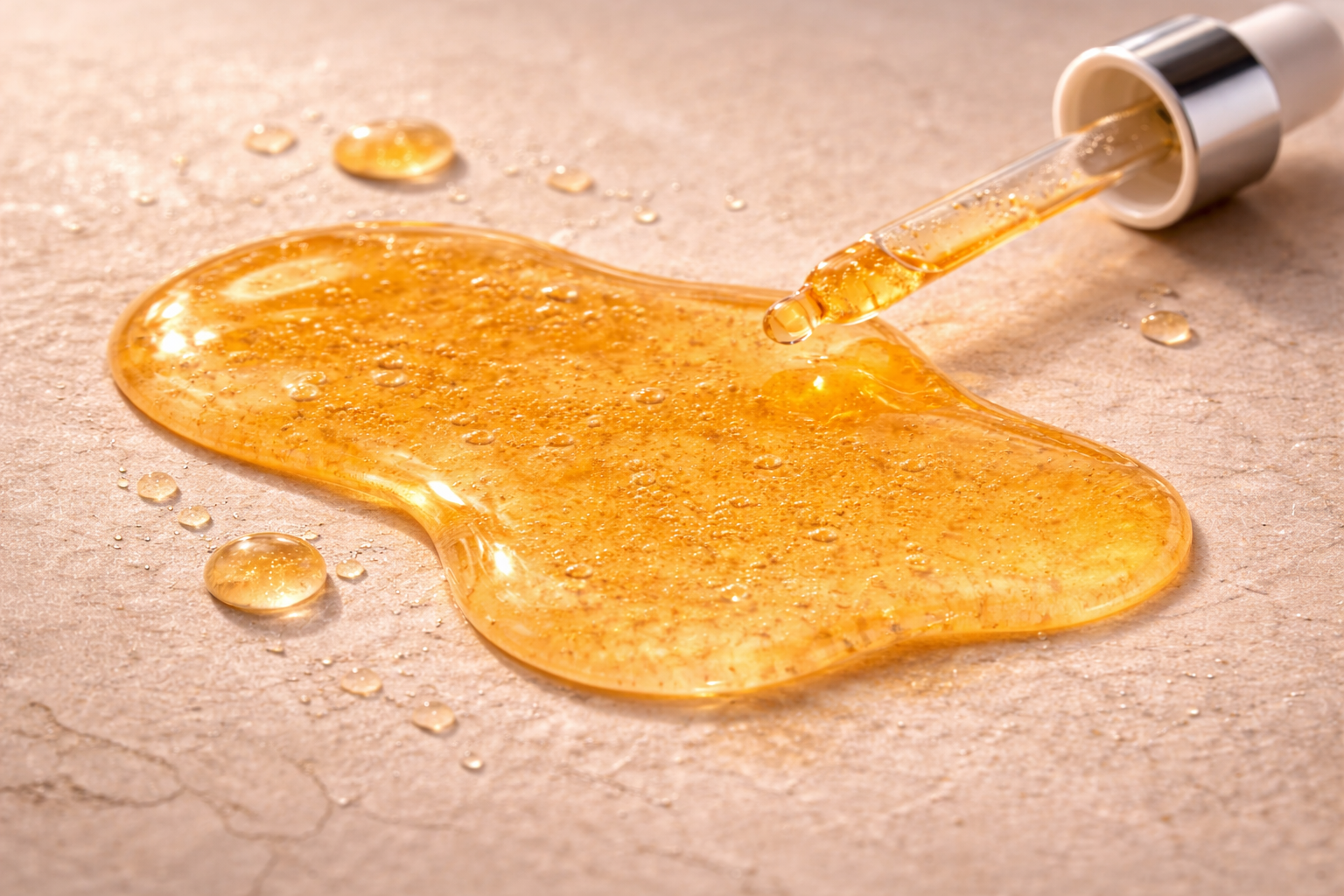
Vitamin C: The Glow Ingredient That's Way More Complicated Than It Should Be
Vitamin C is one of the most hyped ingredients in skincare — and also one of the most frustrating. Here's why your serum keeps turning brown and what to do about it.
Introduction
Vitamin C has a reputation as the brightening ingredient — the thing that'll give you that lit-from-within glow everyone's chasing. And honestly, when it works, it really does deliver.
But here's the frustrating part: vitamin C is notoriously finicky. Your $40 serum turns orange after three weeks. Your skin stings when you apply it. You're not sure if it's actually doing anything or just emptying your wallet.
So let's talk about what vitamin C actually does, why it's so hard to formulate, and how to use it without wasting your money or irritating your face.
What Does Vitamin C Actually Do?
Vitamin C is an antioxidant, which means it neutralizes free radicals — the unstable molecules generated by UV exposure, pollution, and general existence that break down collagen and contribute to aging.
It also inhibits melanin production, which is why it's effective for fading dark spots and evening out skin tone. And it supports collagen synthesis, which helps keep skin firm and smooth.
All of this is backed by solid research. Vitamin C works. The problem is getting it to stay stable long enough to actually work on your skin.
The Stability Nightmare
L-ascorbic acid is the most potent and well-researched form of vitamin C. It's also incredibly unstable. Exposure to light, air, or heat causes it to oxidize — which is why your serum turns from clear to yellow to brown.
Once it oxidizes, it loses effectiveness. Even worse, oxidized vitamin C can actually create oxidative stress on your skin instead of protecting against it.
This is why packaging matters so much. Dark glass bottles with airtight pumps or tubes are your best bet. Droppers that expose the product to air every time you open them? Not ideal.
The Derivative Compromise
Because L-ascorbic acid is so unstable, some brands use vitamin C derivatives instead — like sodium ascorbyl phosphate, magnesium ascorbyl phosphate, or ascorbyl glucoside.
These are more stable and less irritating, which sounds great. The tradeoff? They're not as potent, and they work more slowly. Your skin has to convert them into usable vitamin C, which adds an extra step.
That doesn't mean they're bad — especially if you have sensitive or reactive skin. A gentler derivative that you can actually tolerate is better than a strong formula that makes your face angry.
Why It Irritates Some People
L-ascorbic acid works best at a low pH — usually around 3.5 or lower. That acidity is what allows it to penetrate your skin effectively. It's also what can cause stinging, redness, or irritation, especially if your barrier is already compromised.
High concentrations (15-20%) can also be too much for some skin types. More isn't always better — studies show that 10-15% is effective for most people, and going higher doesn't necessarily boost results.
If you're layering vitamin C with retinol or strong exfoliants, that's another potential irritation trigger. Not because they can't be used together (they can), but because it's a lot for your skin to handle at once.
How To Actually Use It
Start with 10% if you're new to vitamin C. Patch test before committing to your whole face. Apply it in the morning under sunscreen — vitamin C and SPF work well together to protect against UV damage and environmental stress.
Store it somewhere cool and dark. Don't leave it on your bathroom counter where it's exposed to heat and light. And once it starts turning yellow or brown, toss it. Oxidized vitamin C isn't worth using.
If your skin is sensitive, look for a derivative or a buffered formula with a higher pH. You'll get slower results, but you'll also avoid the irritation that makes you want to quit altogether.
Is It Worth The Hassle?
If you want brighter, more even-toned skin and protection against environmental damage, yes — vitamin C is worth figuring out.
But it's not a beginner-friendly ingredient. It requires the right formula, the right storage, and the right routine context. If you're dealing with a damaged barrier or already using a lot of actives, vitamin C might not be your priority right now.
Final Thoughts
Vitamin C delivers real results when used correctly — but "correctly" involves more variables than most ingredients. The form matters. The packaging matters. The concentration matters. How you layer it matters.
If you're willing to navigate those details, vitamin C can absolutely earn its spot in your routine. Just don't expect it to be easy.
More to read
Niacinamide: The Ingredient That's In Everything (And Why That Might Be a Problem)
Niacinamide is everywhere. Your moisturizer, your serum, probably your cleanser too. But more isn't always better — and your skin might be trying to tell you that.
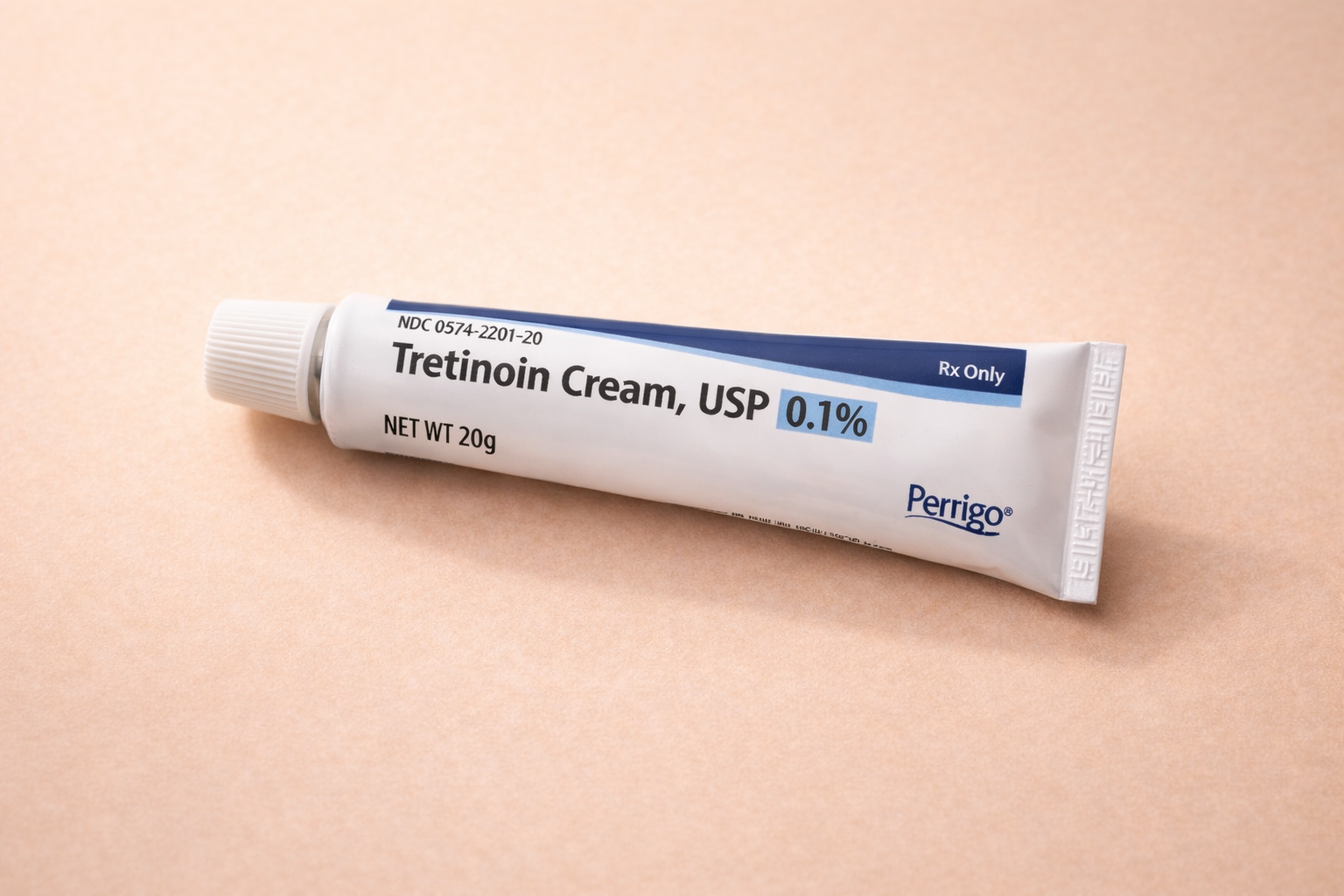
Retinol: The One Ingredient Everyone Talks About (And Most People Use Wrong)
Retinol works. We know this. But most people either quit too soon or push too hard. Here's how to actually use it without wrecking your skin.
Hyaluronic Acid: The Ingredient That’s Only as Good as Your Routine
Hyaluronic acid is in everything, and everyone swears by it. But if you're using it on dry skin in a dry climate without sealing it in, it might actually be making things worse.
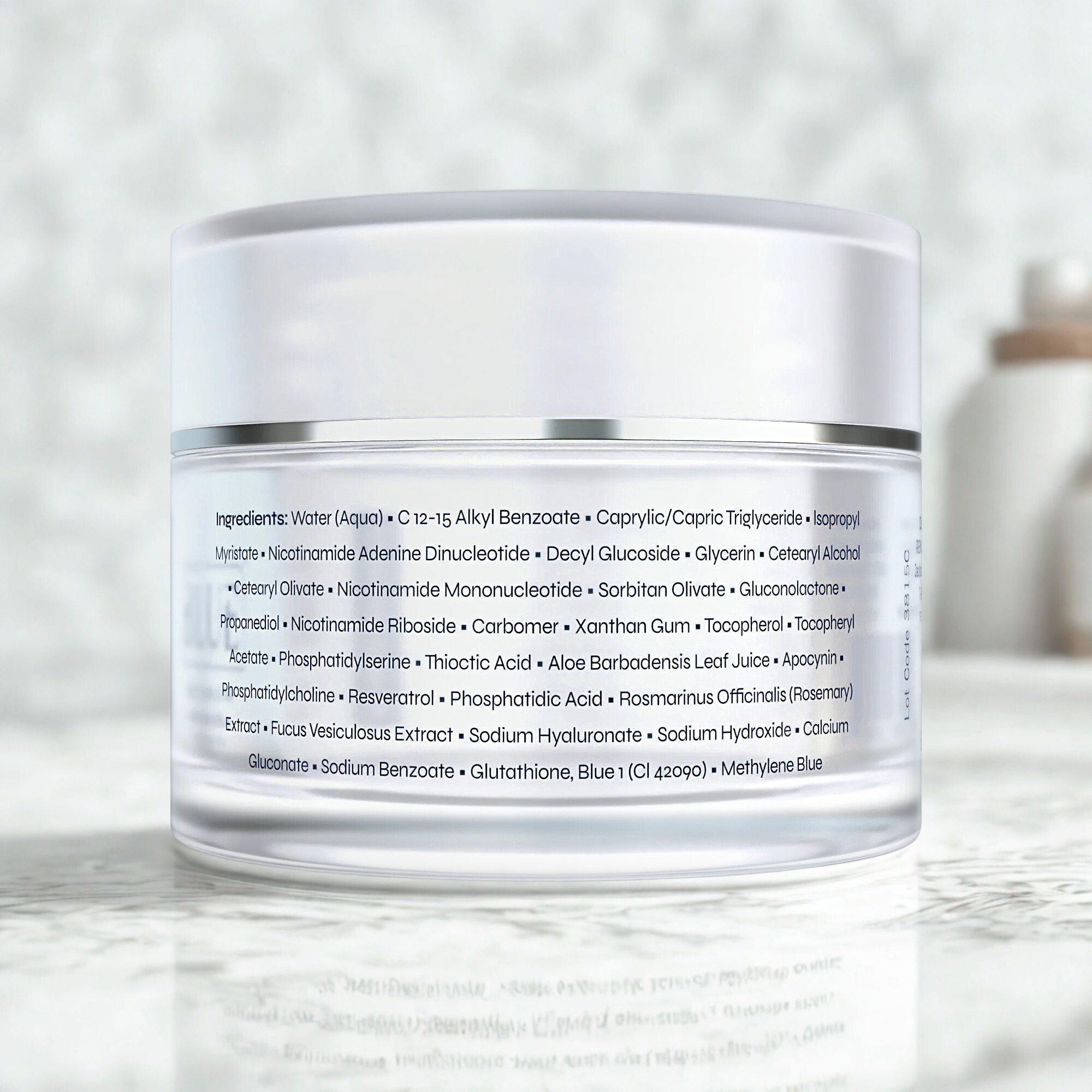
How to Read a Skincare Label Like a Pro
The front of the bottle is marketing. The back is what actually matters. Here's how to decode ingredient lists so you stop wasting money on hype.