


Niacinamide: The Ingredient That's In Everything (And Why That Might Be a Problem)
Niacinamide is everywhere. Your moisturizer, your serum, probably your cleanser too. But more isn't always better — and your skin might be trying to tell you that.
Introduction
Niacinamide is the ingredient that shows up in basically everything now. Drugstore moisturizers. Luxury serums. Acne treatments. Anti-aging creams. It's marketed as the fix for redness, large pores, dark spots, oil control — you name it.
And honestly? A lot of those claims hold up. Niacinamide is legitimately helpful for a lot of skin concerns.
But here's what nobody talks about: just because it's in everything doesn't mean you need it in everything. And just because 10% sounds better than 5% doesn't mean it actually is.
What is Niacinamide?
Niacinamide is a form of vitamin B3. Your skin needs it to function properly — it's involved in building ceramides, producing energy in cells, and repairing DNA damage.
In skincare terms, it's water-soluble, stable, and plays well with most other ingredients. Brands love it because it's easy to formulate. Derms love it because it's backed by decades of research. Users love it because it works for a lot of things without being harsh.
Unlike actives like retinol or AHAs, niacinamide doesn't make your skin more sensitive to the sun. It doesn't cause purging. It's gentle enough for most skin types, including sensitive and reactive skin.
What It Actually Does (Not Just Marketing Fluff)
Niacinamide strengthens your skin barrier by increasing ceramide production. Stronger barrier = less water loss, less irritation, better resilience overall.
It regulates sebum production, which is why oily skin types tend to notice their skin looks less shiny over time. It's not drying out your oil — it's helping your skin produce a more balanced amount.
It reduces inflammation, which is helpful for redness, rosacea, and acne. It fades hyperpigmentation by interfering with melanin transfer to skin cells. And it minimizes the appearance of pores — not by shrinking them (that's not possible), but by keeping them clearer and making skin look smoother overall.
All of this is real. The research backs it up. But — and this is important — most studies showing these benefits used concentrations between 2% and 5%.
The 10% Problem
Somewhere along the line, the skincare world decided that higher percentages = better results. Now you've got 10%, 12%, even 20% niacinamide serums flying off the shelves.
But here's the thing: for most people, 5% is plenty. Some people do fine with higher concentrations. But plenty of others find that 10% causes flushing, stinging, or breakouts — especially if they're layering multiple niacinamide products without realizing it.
Check your routine. If your moisturizer has niacinamide, your serum has niacinamide, and your sunscreen has niacinamide, you might be getting way more than you think. And your skin might not love that.
Signs You Might Be Overdoing It
If niacinamide is supposed to calm your skin but yours feels irritated after using it, that's your first clue.
Persistent redness or flushing. Unexpected breakouts that don't match your usual pattern. Sensitivity where you didn't have it before. A tight, uncomfortable feeling. These can all be signs that the concentration is too high or that you're stacking too many products with niacinamide.
Not everyone reacts this way — plenty of people tolerate 10% just fine. But if you're experiencing any of these symptoms and you're using multiple niacinamide products, try scaling back and see if it helps.
How to Use It — The Smart Way
If you’re new to niacinamide, start low. Look for products with 2–5% concentrations, use it once daily, and avoid stacking multiple niacinamide products at the same time.
Pairing it with hydrating and soothing ingredients — like hyaluronic acid or panthenol — helps maximize benefits without compromising your barrier.
How To Actually Use It
Start with a lower concentration — 2% to 5% is effective and well-tolerated for most people. Use it once a day to start, ideally in the morning since it pairs well with sunscreen and doesn't make you more sun-sensitive.
If you want to add a dedicated niacinamide serum, check what's already in your routine first. You might be getting enough from your moisturizer or SPF.
Pair it with hydrating ingredients like hyaluronic acid or glycerin. Niacinamide plays well with most actives, but if you're using strong exfoliants or retinoids, introduce them slowly and watch how your skin responds.
Does Everyone Need It?
No. And that's fine.
If your skin is happy and your routine is working, you don't need to shoehorn niacinamide into it just because the internet says it's a must-have. It's a great ingredient for a lot of concerns, but it's not essential for everyone.
Skincare isn't about collecting ingredients. It's about finding what actually works for your skin.
Bottom Line
Niacinamide is popular for a reason — it's versatile, well-researched, and genuinely helpful for a lot of skin concerns. But that doesn't mean you need the highest concentration you can find, and it doesn't mean you need it in every single product.
Pay attention to how your skin feels. If it's glowing and calm, great. If it's red and irritated, scale back. Your skin will tell you what it needs — you just have to listen.
More to read
Vitamin C: The Glow Ingredient That's Way More Complicated Than It Should Be
Vitamin C is one of the most hyped ingredients in skincare — and also one of the most frustrating. Here's why your serum keeps turning brown and what to do about it.
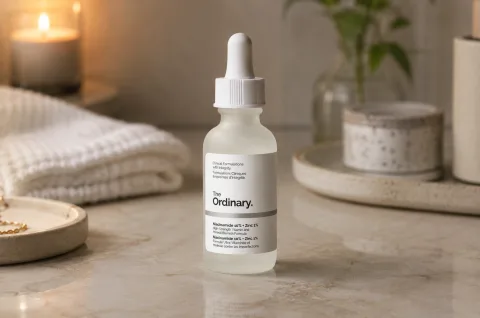
The Ordinary Niacinamide 10% + Zinc 1%: Does the $6 Serum Live Up to the Hype?
The Ordinary's niacinamide serum is everywhere — Reddit loves it, beauty editors recommend it, and it costs less than your lunch. But does it actually work?
Hyaluronic Acid: The Ingredient That’s Only as Good as Your Routine
Hyaluronic acid is in everything, and everyone swears by it. But if you're using it on dry skin in a dry climate without sealing it in, it might actually be making things worse.
Retinol: The One Ingredient Everyone Talks About (And Most People Use Wrong)
Retinol works. We know this. But most people either quit too soon or push too hard. Here's how to actually use it without wrecking your skin.