


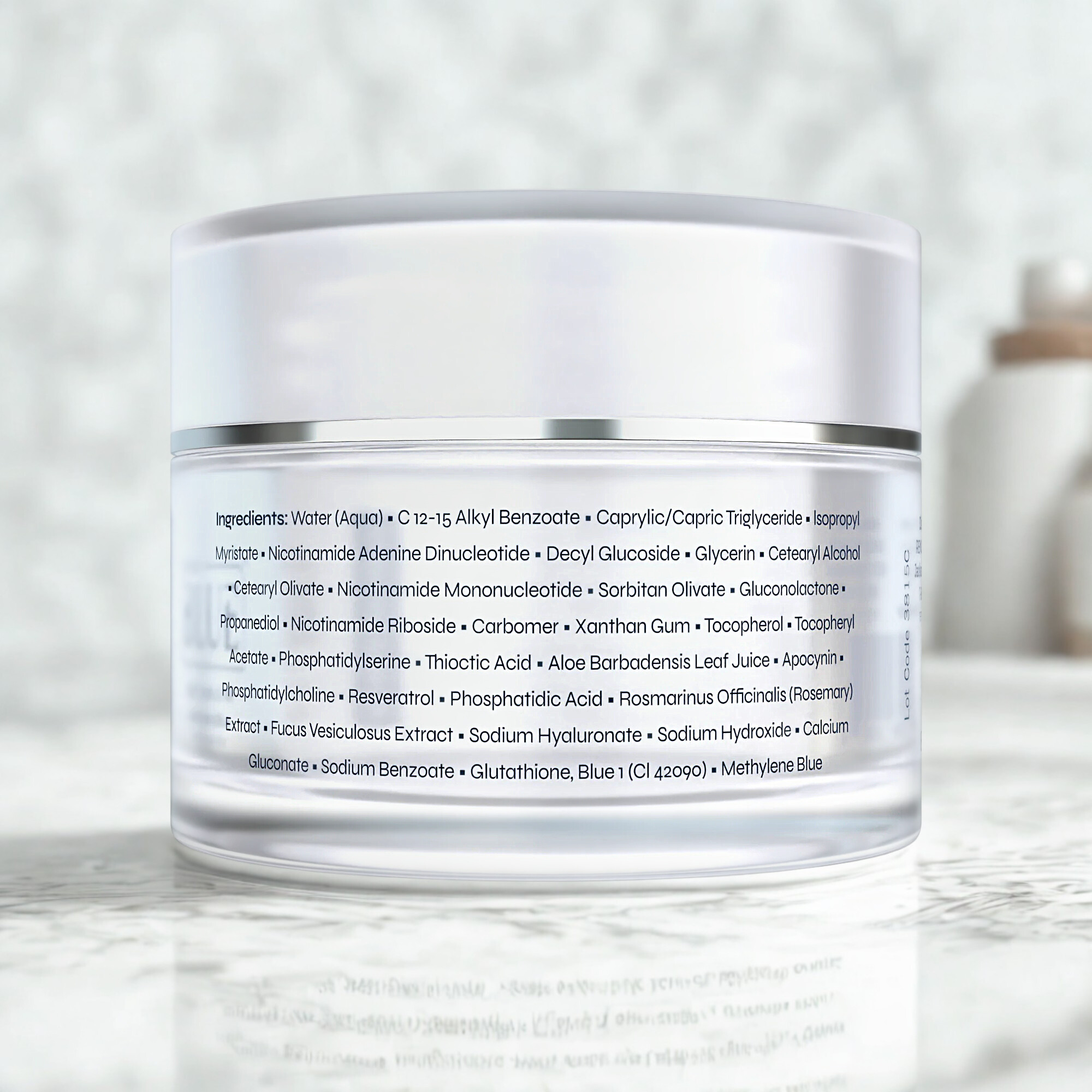
How to Read a Skincare Label Like a Pro
The front of the bottle is marketing. The back is what actually matters. Here's how to decode ingredient lists so you stop wasting money on hype.
Introduction
Skincare labels look intimidating. Long lists of Latin-sounding words, chemical names you can't pronounce, vague terms like "botanical extract blend." Most people just look at the front of the bottle, see "dermatologist-approved" or "clinically proven," and call it good.
But the front of the bottle is marketing. The back is where the truth lives. Once you know how to read an ingredient list, you'll stop falling for overpriced products that are 95% water and stop overlooking great formulas because the packaging isn't fancy.
The Ingredient List Is In Order For a Reason
Ingredients are listed by concentration, from highest to lowest. The first ingredient is what there's the most of. The last ingredient is what there's the least of.
This matters because a product can technically claim it contains hyaluronic acid or vitamin C even if there's only a trace amount. If it's listed at the very end, there's probably not enough to do anything useful.
Ingredients that make up more than 1% of the formula are listed in descending order. Once you get below 1%, they can be listed in any order — which is why preservatives, fragrances, and colorants usually cluster at the end.
Focus On The First Five Ingredients
The first five ingredients usually make up the bulk of the product. If water (aqua) is listed first, that's your main carrier — totally normal for most serums and lotions.
Look for your active ingredients in the top half of the list. If niacinamide or salicylic acid is buried near the bottom, there's probably not enough of it to make a difference.
If you see fragrance or alcohol denat. in the first few ingredients, that's worth noting — especially if you have sensitive or dry skin.
Not All Alcohols Are Bad
"Alcohol" on a label can mean different things. Denatured alcohol (alcohol denat. or SD alcohol) is drying and can irritate some skin types. But fatty alcohols — like cetyl alcohol, cetearyl alcohol, or stearyl alcohol — are moisturizing and totally fine.
Don't panic just because you see the word alcohol. Check which type it is (we wrote a whole article about alcohols in skincare).
Marketing Claims Mean Almost Nothing
The front of the bottle says "clean," "natural," "dermatologist-tested," "clinically proven." None of these terms are regulated. Brands can slap them on pretty much anything.
"Fragrance-free" doesn't always mean fragrance-free — products can still contain essential oils or botanical extracts that function like fragrance and cause the same irritation.
"Hypoallergenic" has no legal definition. It just means the brand thinks it's less likely to cause allergies. Maybe it is, maybe it isn't.
Ignore the front. Read the back.
Watch Our For Ingredient Spiking
This is when brands add a tiny amount of a trendy ingredient just so they can list it on the label and use it in marketing. "Contains retinol!" — but it's the second-to-last ingredient and there's not enough to do anything.
Same thing with long lists of botanical extracts. Sounds impressive, but if they're all at the end of the list, they're mostly there for show.
Chemical Names Aren't Scary
Tocopherol is vitamin E. Sodium ascorbyl phosphate is a stable form of vitamin C. Butyrospermum parkii is shea butter.
Ingredients are listed by their INCI names (International Nomenclature of Cosmetic Ingredients), which are standardized across the world. They sound intimidating, but they're just the scientific names for things you already know.
If you see something unfamiliar, look it up. There are plenty of ingredients in our database that will tell you what they are and what they do.
Shorter Isn't Always Better
Some people think shorter ingredient lists are automatically better or cleaner. Not necessarily. A well-formulated product with 20 ingredients can be safer and more effective than a poorly formulated one with 5.
What matters is what those ingredients are and whether they're right for your skin — not how many there are.
Final Thoughts
Learning to read skincare labels gives you power. You stop relying on marketing claims and start making decisions based on what's actually in the product.
Check the first five ingredients. Look for your actives in the top half. Know the difference between good and bad alcohols. Ignore the front of the bottle.
It takes a little practice, but once you get the hang of it, you'll never waste money on overhyped products again.
More to read
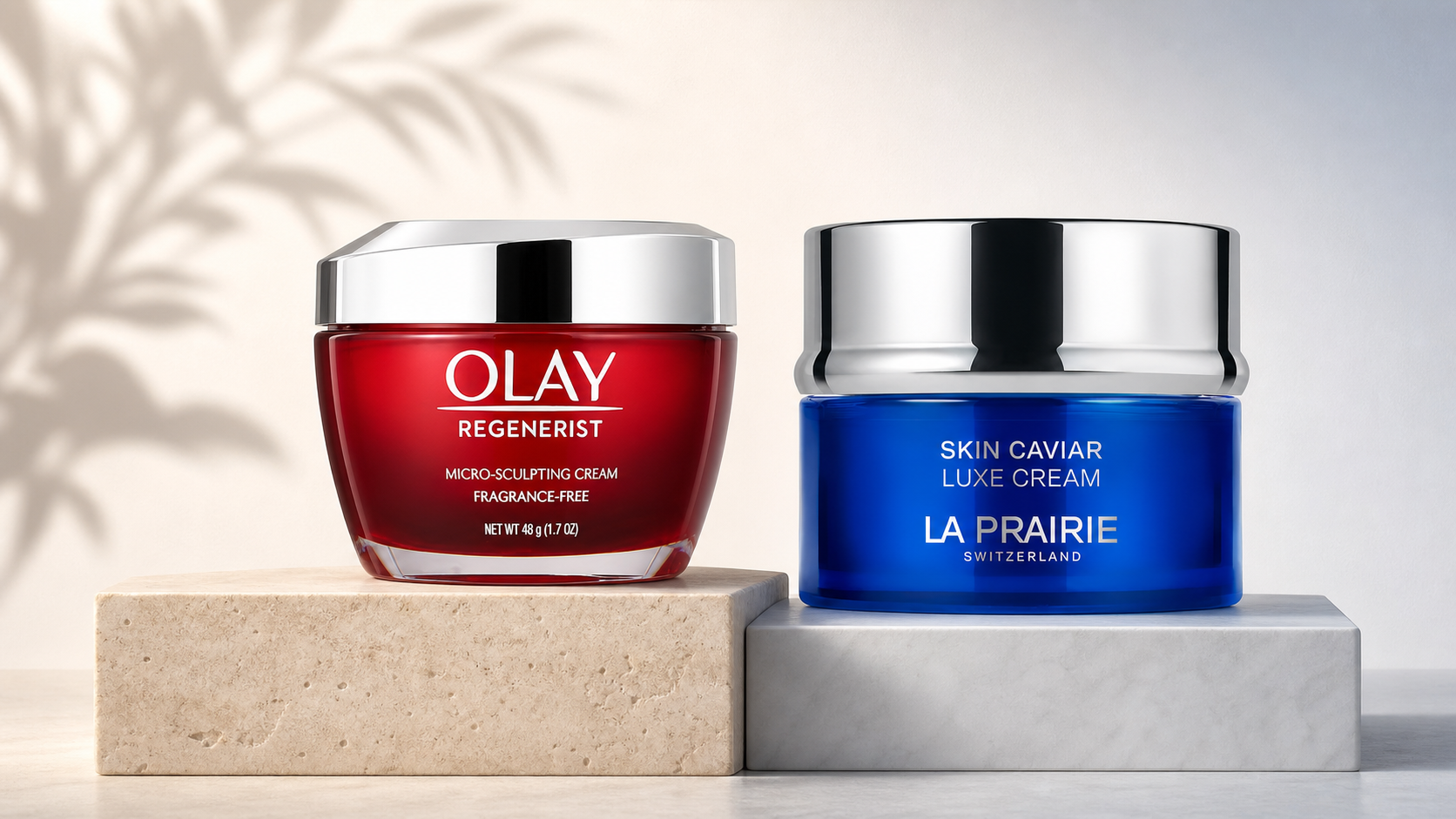
Expensive vs. Drugstore Skincare: What's Actually Worth The Money
Some expensive products are worth it. Some aren't. Here's how to tell the difference and where you can save money without sacrificing results.
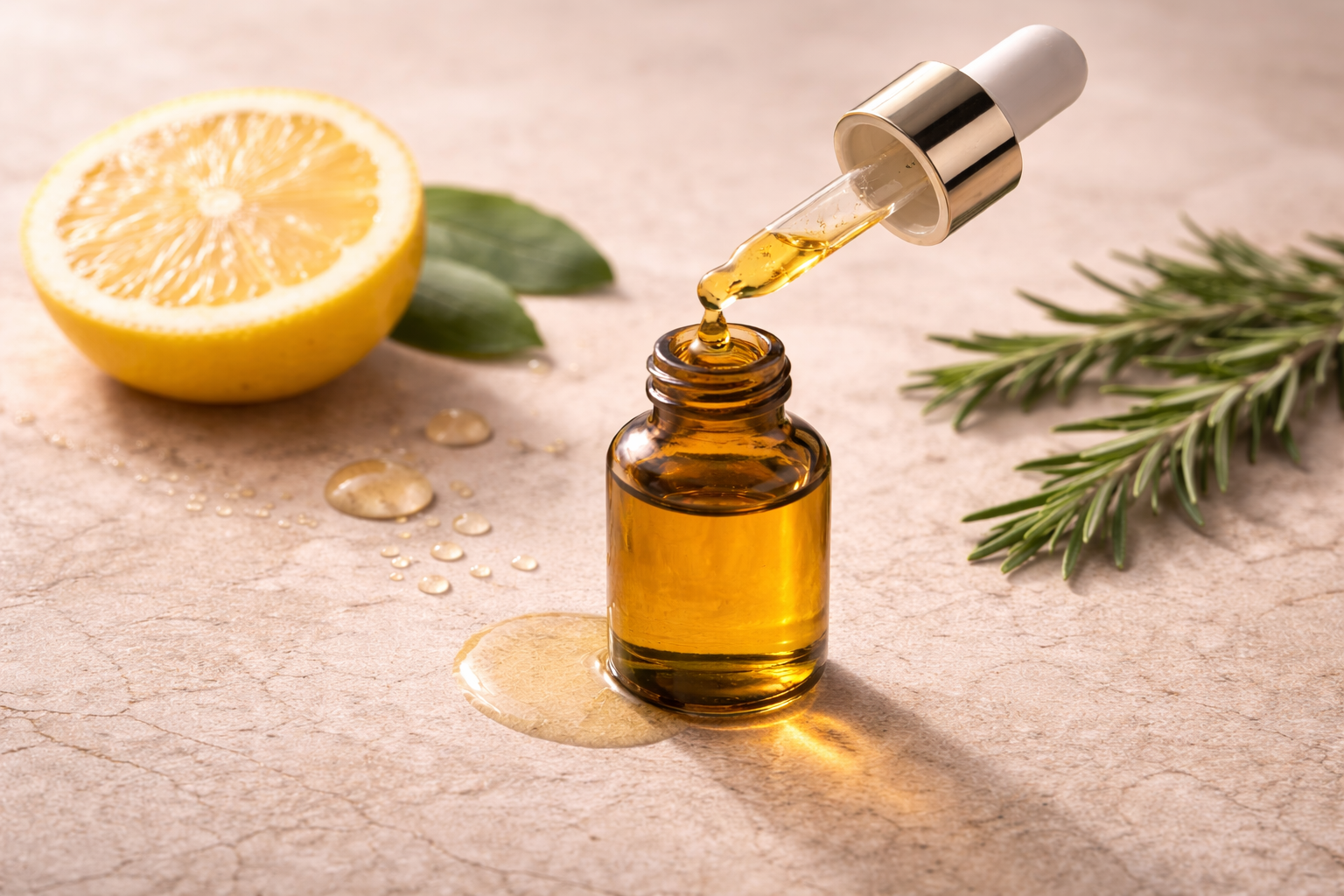
Fragrance in Skincare: The Ingredient Everyone Has an Opinion About
Some people avoid fragrance like it's poison. Others don't care at all. Here's what actually matters and how to figure out where you fall.
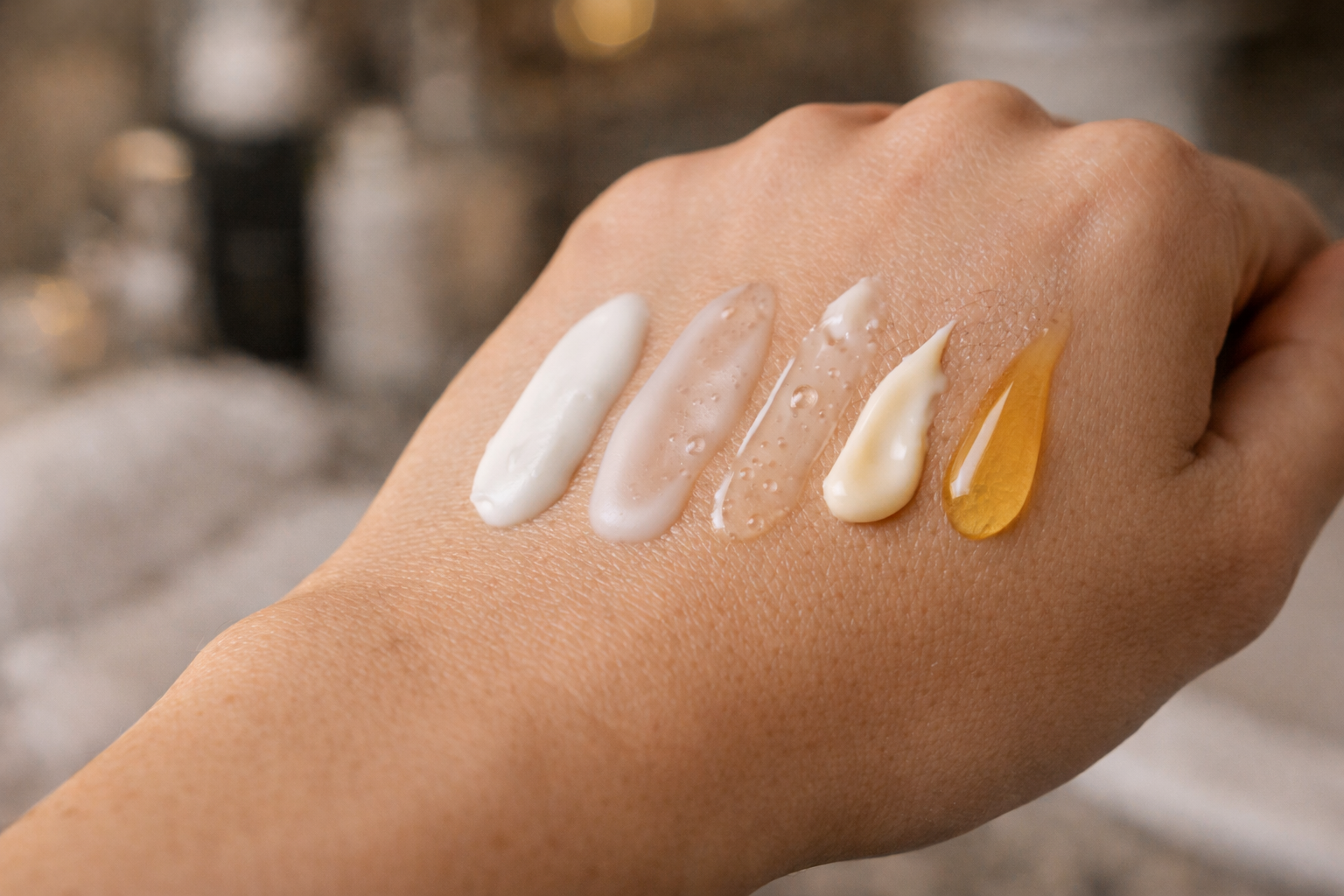
Skincare Order of Application
You can have all the right products and still mess it up if you're applying them in the wrong order. Here's how to layer your skincare so it actually works.
Retinol: The One Ingredient Everyone Talks About (And Most People Use Wrong)
Retinol works. We know this. But most people either quit too soon or push too hard. Here's how to actually use it without wrecking your skin.