


Slugging: The Gross-Sounding Trend That Actually Works For Dry Skin
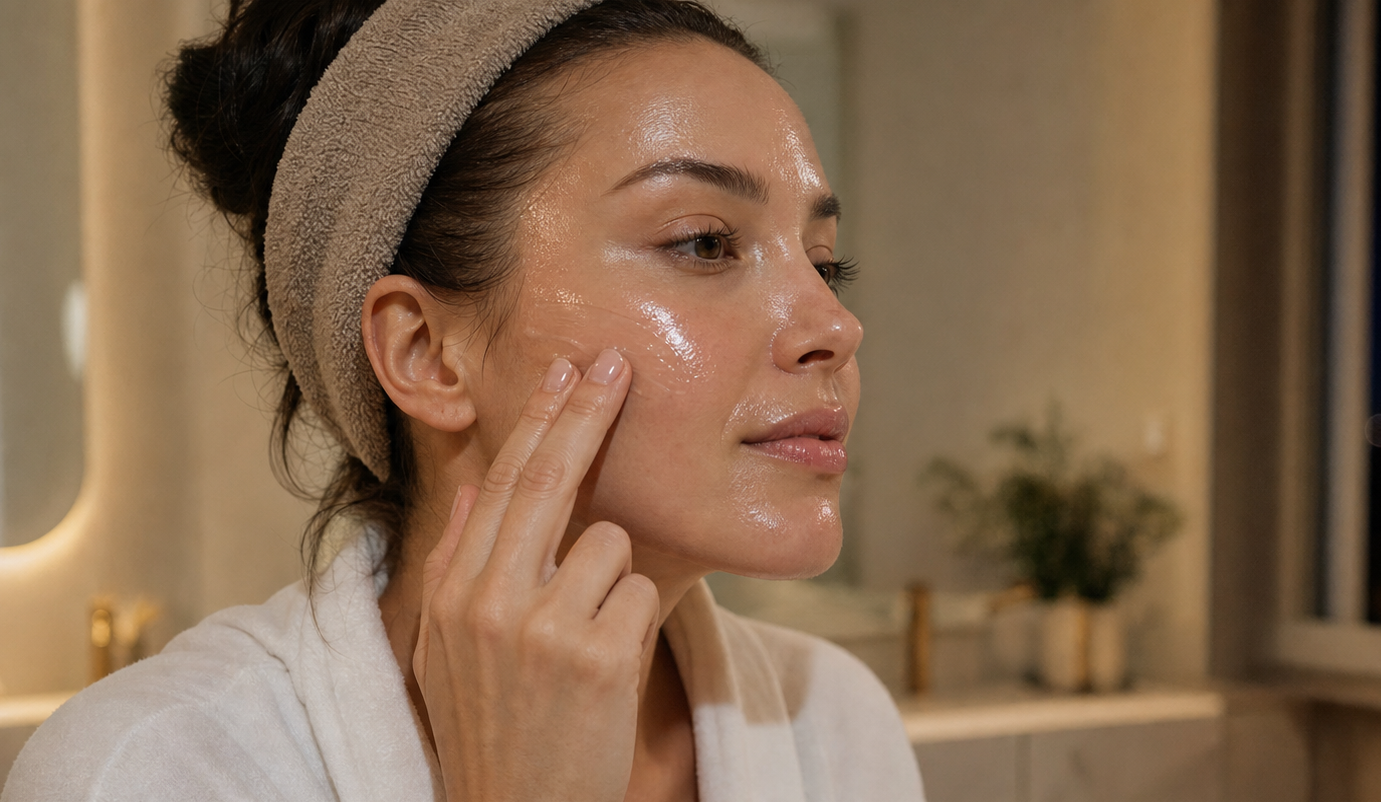
Slugging is exactly what it sounds like: smearing petroleum jelly all over your face before bed. And for dry, dehydrated skin, it actually works.
Introduction
Slugging is the practice of coating your face in an occlusive layer — usually Vaseline or Aquaphor — as the last step in your nighttime routine. The name comes from the shiny, slug-like appearance it gives your skin.
It sounds gross. It looks weird. But for dry, dehydrated, or barrier-compromised skin, it's one of the most effective things you can do.
How It Works
Occlusives like petroleum jelly create a physical barrier on your skin that prevents water loss. Your skin loses moisture throughout the night through a process called transepidermal water loss (TEWL). An occlusive layer traps that moisture in.
It doesn't add moisture to your skin — it just locks in whatever's already there. That's why you slug after applying your serums and moisturizer, not instead of them.
Who Should Try It
If you have dry skin, slugging can make a huge difference. It's especially helpful in winter when indoor heating and cold air wreck your moisture barrier.
If your barrier is compromised — red, tight, flaky, sensitive — slugging helps it heal faster by preventing water loss and giving your skin a chance to repair itself.
If you're using tretinoin or other strong actives and your skin is getting dry or irritated, slugging a few nights a week can help manage that dryness without forcing you to stop the treatment.
Who Should Skip It
If you have oily or acne-prone skin, slugging might be too much. The occlusive layer can trap oil and bacteria, leading to clogged pores and breakouts.
That said, some people with acne-prone skin do slug successfully — they just do it on dry patches only (like around the mouth or on the cheeks) and avoid their T-zone.
If you're actively breaking out, wait until your skin clears before trying it.
How To Do It
Do your normal nighttime routine: cleanser, any treatments or serums, moisturizer. Let everything absorb for a few minutes.
Then take a thin layer of petroleum jelly (Vaseline, Aquaphor, CeraVe Healing Ointment) and spread it all over your face. You don't need a thick coat — a thin, even layer is enough.
Sleep on it. In the morning, cleanse it off. Your skin should feel softer and more hydrated.
You Don't Have To Do It Every Night
Slugging is most helpful when your skin is really dry or compromised. You don't need to do it every single night unless your skin needs that level of moisture retention.
A lot of people slug 2-3 times a week or only in winter when their skin gets drier. Some people only do it when they're using strong actives that dry out their skin.
What About Your Pillowcase
Yeah, it gets greasy. If you slug regularly, either use an old pillowcase you don't care about or put a towel over your pillow. Petroleum jelly doesn't wash out easily.
Is Petroleum Jelly Safe For Your Skin?
Yes. Petroleum jelly (petrolatum) is one of the most studied and safest skincare ingredients. It's non-comedogenic (won't clog pores) despite being occlusive, and it's hypoallergenic.
The myth that it "suffocates" your skin is not true. Your skin doesn't breathe through your pores — it gets oxygen from your blood.
Alternatives if you don't want to use petroleum jelly
If you prefer something plant-based, you can slug with lanolin (if you're not vegan), squalane oil, or a thick occlusive balm. They won't be quite as occlusive as petroleum jelly, but they still help lock in moisture.
Bottom Line
Slugging is simple, cheap, and effective for dry or compromised skin. It's not glamorous, and it's definitely not for everyone, but if your skin is dehydrated or your barrier is wrecked, give it a try.
You don't need to do it every night. A few times a week or whenever your skin feels extra dry is enough. And yes, your pillowcase will get greasy, but your skin will be softer in the morning.
Sometimes the simplest solutions are the best ones.
More to read
Hyaluronic Acid: The Ingredient That’s Only as Good as Your Routine
Hyaluronic acid is in everything, and everyone swears by it. But if you're using it on dry skin in a dry climate without sealing it in, it might actually be making things worse.

Skin Cycling: The Routine Strategy That Actually Makes Sense
Skin cycling is a structured way to use actives without wrecking your barrier. Here's how it works and why it's better than using everything every night.

Morning vs. Night Skincare: Why Your Routine Shouldn't Be The Same Twice a Day
Our skin has different jobs during the day and at night. Your routine should reflect that — or you're missing out on what certain ingredients can actually do.
How to Read a Skincare Label Like a Pro
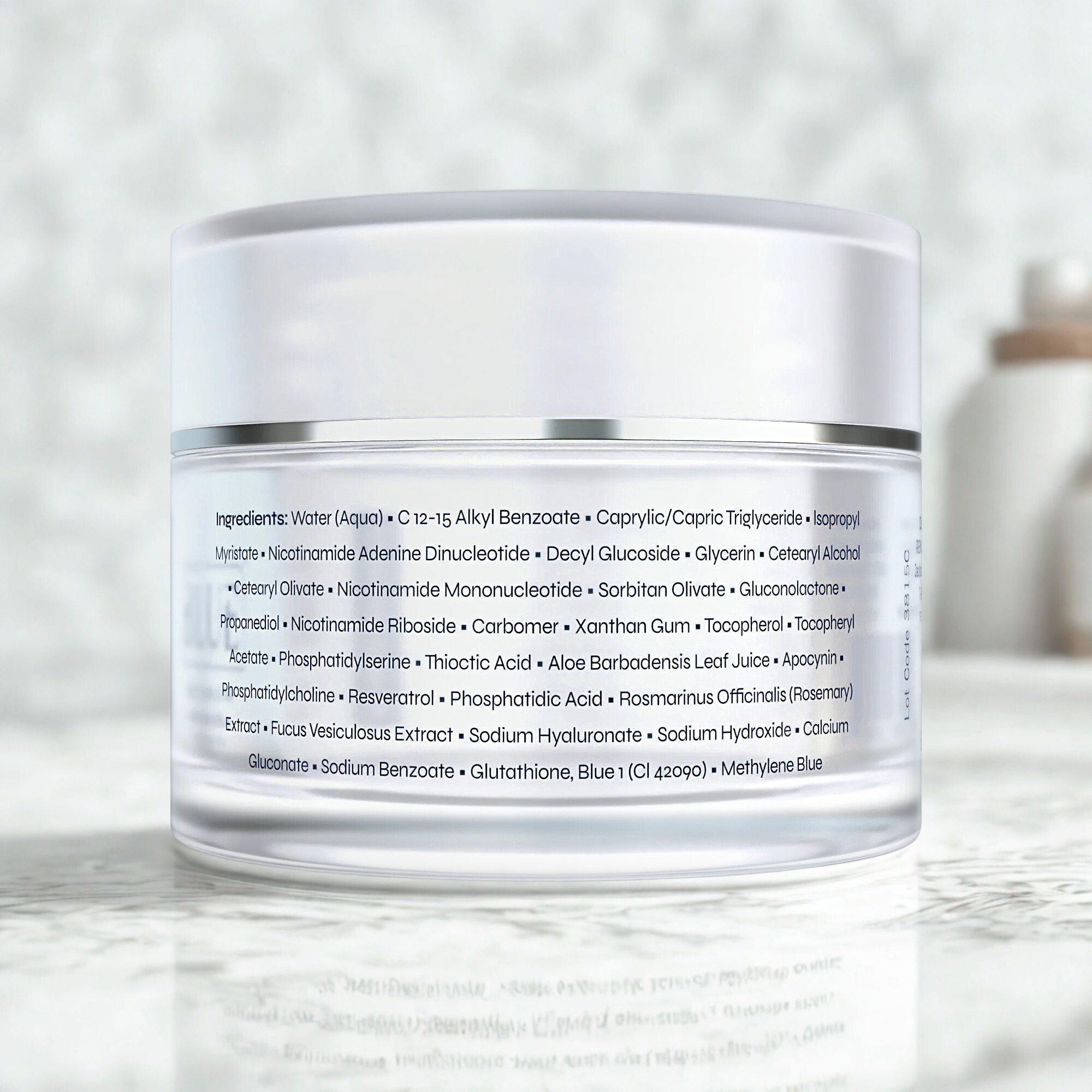
The front of the bottle is marketing. The back is what actually matters. Here's how to decode ingredient lists so you stop wasting money on hype.