



Skin Cycling: The Routine Strategy That Actually Makes Sense
Skin cycling is a structured way to use actives without wrecking your barrier. Here's how it works and why it's better than using everything every night.
Introduction
Skin cycling went viral on TikTok, but unlike most viral skincare trends, this one is actually based on solid dermatology principles. It's a simple, structured approach to using actives that gives your skin time to recover between treatments.
What Skin Cycling Is
Skin cycling is a four-night rotation: exfoliation night, retinoid night, recovery night, recovery night. Then repeat.
Night 1: Use a chemical exfoliant (AHA or BHA).
Night 2: Use retinol or a retinoid.
Nights 3 and 4: No actives — just gentle, barrier-supporting products like moisturizer and hydrating serums.
The idea is to give your skin focused treatment on certain nights and recovery time on others, instead of bombarding it with actives every single night.
Why It Works
Both exfoliants and retinoids increase cell turnover and can be irritating if overused. When you use them back-to-back every night, you don't give your skin time to recover. That leads to a compromised barrier, redness, peeling, and breakouts.
By spacing them out and adding recovery nights, you get the benefits of actives without the irritation. Your skin has time to rebuild between treatments.
How To Do It
Night 1 (Exfoliation): After cleansing, apply an AHA or BHA toner or serum. Follow with moisturizer. Skip this night if your skin is sensitive or if you're new to exfoliants — you can do recovery all four nights and just use retinol on night 2.
Night 2 (Retinoid): After cleansing, apply retinol or tretinoin. Follow with moisturizer. If your skin is sensitive, you can apply moisturizer first, then retinol on top (the sandwich method).
Nights 3 and 4 (Recovery): Cleanser, hydrating serum (like hyaluronic acid or niacinamide), moisturizer. Focus on gentle, barrier-supporting ingredients. No actives.
You Can Adjust It For Your Skin
The four-night cycle is a starting point, not a strict rule. If your skin is sensitive or you're new to actives, you might need more recovery nights. You could do exfoliation once a week and retinol twice a week with the rest as recovery.
If your skin is resilient and you've been using retinol for years, you might be able to use it more frequently. Some people eventually work up to using retinol every night with no issues.
The point is to listen to your skin. If you're red, flaky, or irritated, add more recovery nights. If your skin is handling it well, you can increase frequency gradually.
What About Morning Routines?
Skin cycling is a nighttime strategy. Your morning routine stays the same: cleanser, antioxidant serum (like vitamin C or niacinamide), moisturizer, sunscreen.
Don't use retinol or exfoliating acids in the morning — they make your skin more sun-sensitive and there's no benefit to using them during the day.
Signs You Need More Recovery Nights
If your skin is red, tight, stinging, or peeling, you're overdoing it. Add more recovery nights. You might need to do exfoliation and retinol only once a week each with the rest as recovery.
If you're breaking out more than usual or your skin feels sensitive to products that used to be fine, your barrier is compromised. Pull back on actives and focus on repair.
Do You Have To Follow It Exactly?
No. Skin cycling is a framework, not a rulebook. The principle is simple: use actives strategically, not constantly. Give your skin recovery time. That's it.
If you prefer to use retinol three nights a week instead of following a strict rotation, fine. If you want to skip exfoliating acids altogether and just cycle retinol with recovery nights, do that.
The goal is healthier skin, not perfect adherence to a schedule.
Bottom Line
Skin cycling is a smart way to use actives without destroying your barrier. It gives you the benefits of exfoliation and retinoids while building in recovery time so your skin can handle it.
You don't have to follow the exact four-night rotation, but the concept is solid: less aggressive, more strategic. Your skin will thank you.
More to read

Morning vs. Night Skincare: Why Your Routine Shouldn't Be The Same Twice a Day
Our skin has different jobs during the day and at night. Your routine should reflect that — or you're missing out on what certain ingredients can actually do.
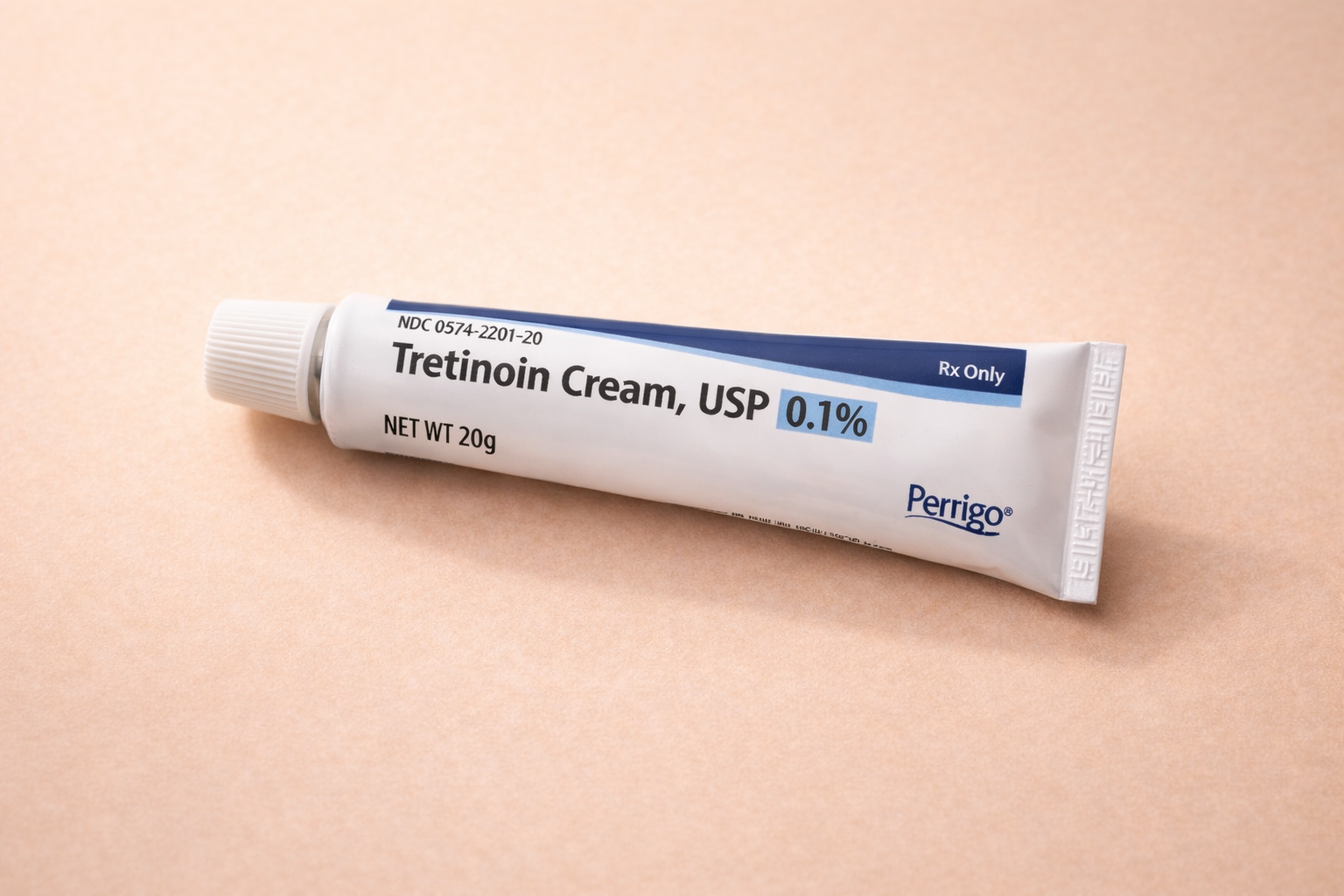
Retinol: The One Ingredient Everyone Talks About (And Most People Use Wrong)
Retinol works. We know this. But most people either quit too soon or push too hard. Here's how to actually use it without wrecking your skin.
Skincare Basics: The Only Three Things You Actually Need
Everyone wants to sell you a 12-step routine. But good skin starts with three things: cleanser, moisturizer, sunscreen. Everything else is optional.
Salicylic Acid: The Breakout-Fighting BHA That Actually Works
Salicylic acid gets deep into pores and actually clears them out. But most people use it way too aggressively and wonder why their skin freaks out.