


Peptides: The Anti-Aging Ingredient That's Actually Worth The Hype
Peptides show up in a lot of anti-aging products, but most people don't know what they actually do. Here's the breakdown.
Introduction
Peptides are all over anti-aging skincare. Serums, creams, eye treatments — they're marketed as the thing that'll firm your skin and reduce wrinkles. But what are they actually doing, and do they work?
What Peptides Are
Peptides are short chains of amino acids — the building blocks of proteins. Your skin is made up of proteins like collagen and elastin, which keep it firm and elastic. As you age, your body produces less of these proteins, which is why skin starts to sag and wrinkle.
The idea behind peptides in skincare is that they signal your skin to produce more collagen and elastin, essentially telling it to act younger.
Do They Actually Work?
Yes, but don't expect miracles. Peptides won't erase deep wrinkles or give you the results of a facelift. But they can improve skin firmness, reduce fine lines, and support your skin's structure over time.
The research backs them up — certain peptides like Matrixyl (palmitoyl pentapeptide) and copper peptides have solid evidence showing they boost collagen production and improve skin texture.
They're not as dramatic as retinol, but they're gentler and less likely to cause irritation. If your skin can't tolerate retinoids, peptides are a good alternative.
Type Of Peptides You'll See
Signal peptides tell your skin to produce more collagen and elastin. Matrixyl is the most well-known.
Carrier peptides deliver trace minerals like copper to your skin to support repair and enzyme function. Copper peptides fall into this category.
Enzyme inhibitor peptides slow down the breakdown of collagen. They won't build new collagen, but they help preserve what you have.
Neurotransmitter peptides (like Argireline) work similarly to Botox by temporarily relaxing facial muscles and reducing expression lines. The effect is much milder than actual Botox.
How To Use Peptides
Peptides are typically found in serums and moisturizers. Apply them after cleansing and before heavier creams or oils. They work well with most other ingredients — you can layer them with vitamin C, niacinamide, or hyaluronic acid without issues.
You can use peptides morning and night. They don't make your skin more sun-sensitive like retinol or exfoliating acids do.
Can You Use Peptides With Retinol?
Yes. There's an old myth that you can't use peptides and retinol together because retinol's low pH would deactivate peptides. That's been debunked — peptides are stable across a range of pH levels.
You can use a peptide serum in the morning and retinol at night, or even layer them in the same routine if your skin tolerates it.
What Peptides Won't Do
Peptides won't give you instant results. They work gradually over weeks to months. If you're looking for dramatic, fast improvement, you'll be disappointed.
They also won't fix deep wrinkles or severe sagging. For that, you need professional treatments like Botox, fillers, or lasers.
But for mild to moderate signs of aging — fine lines, loss of firmness, dullness — peptides can make a noticeable difference.
Are They Worth It?
If you're looking for a gentle, effective anti-aging ingredient that won't irritate your skin, yes. Peptides are one of the few ingredients with solid research backing them up that also work well for sensitive skin.
They're not going to replace retinol for most people — retinol is still the gold standard for anti-aging. But peptides are a great addition, especially if you can't tolerate retinoids or you want to boost your results.
Final Thoughts
Peptides are a solid anti-aging ingredient backed by research. They're gentle, they work well with other products, and they actually do what they claim — support collagen production and improve skin firmness.
Don't expect overnight miracles, but if you use them consistently, you'll see improvement over time.
More to read
Retinol: The One Ingredient Everyone Talks About (And Most People Use Wrong)
Retinol works. We know this. But most people either quit too soon or push too hard. Here's how to actually use it without wrecking your skin.
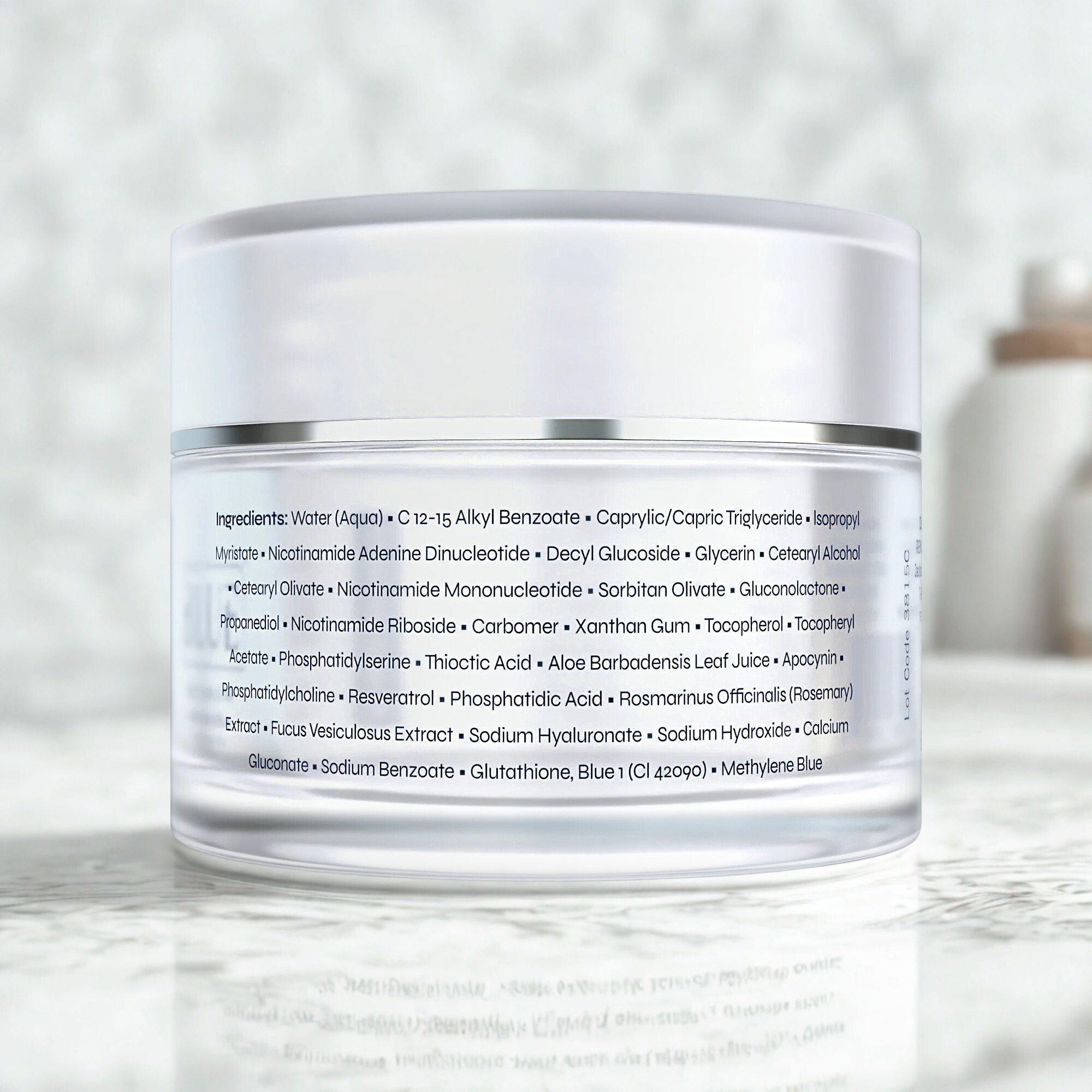
How to Read a Skincare Label Like a Pro
The front of the bottle is marketing. The back is what actually matters. Here's how to decode ingredient lists so you stop wasting money on hype.
Expensive vs. Drugstore Skincare: What's Actually Worth The Money
Some expensive products are worth it. Some aren't. Here's how to tell the difference and where you can save money without sacrificing results.
Hyaluronic Acid: The Ingredient That’s Only as Good as Your Routine
Hyaluronic acid is in everything, and everyone swears by it. But if you're using it on dry skin in a dry climate without sealing it in, it might actually be making things worse.