


Expensive vs. Drugstore Skincare: What's Actually Worth The Money
Some expensive products are worth it. Some aren't. Here's how to tell the difference and where you can save money without sacrificing results.
Introduction
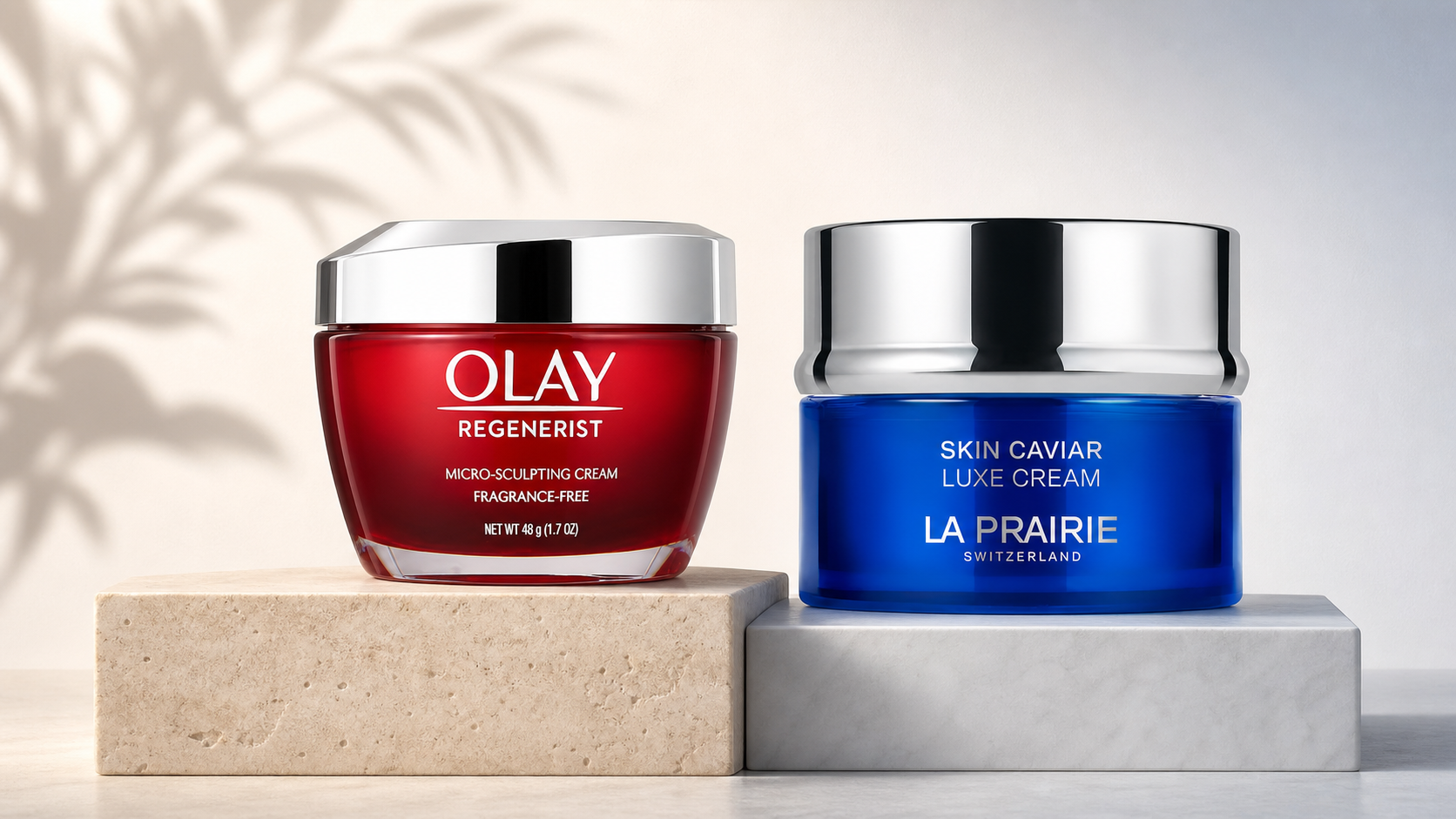
Walk into Sephora and you'll find moisturizers for up to $200. Walk into CVS and you'll find moisturizers for $12. Are you really getting $188 worth of better skin from the expensive one?
Sometimes yes. Often no. Here's where the money actually matters and where you're just paying for packaging.
Where Expensive Is Usually Worth It
Sunscreen. High-end sunscreens tend to have better textures, less white cast, and more elegant formulations. If a $50 sunscreen feels good and you'll actually wear it every day, it's worth more than a $10 sunscreen you hate and never use.
Retinol products. Formulation matters with retinol — stability, delivery systems, buffering ingredients. A well-formulated retinol from a reputable brand is more likely to be effective and less irritating than a cheap one with questionable stability.
Vitamin C serums. Vitamin C oxidizes quickly, and cheap formulas often turn brown before you're halfway through the bottle. Higher-end brands tend to invest in better packaging and stabilization, which means the product actually works when you use it.
Where Drugstore Is Just As Good
Basic moisturizers. CeraVe, Vanicream, Cetaphil — these brands make solid, effective moisturizers with ceramides and barrier-supporting ingredients for a fraction of the price of luxury creams. Unless you really value the sensorial experience, there's no reason to spend $100 on a moisturizer.
Cleansers. You're rinsing it off. A $10 gentle cleanser from the drugstore works just as well as a $40 one from a luxury brand. Save your money here.
Salicylic acid products. The Ordinary, CeraVe, Paula's Choice — all make effective salicylic acid products at reasonable prices. You don't need to spend $60 on a BHA toner when a $15 one has the same active ingredient at the same concentration.
Hyaluronic acid serums. Hyaluronic acid is hyaluronic acid. A $12 serum from The Ordinary works just as well as a $70 one from a prestige brand. You're paying for packaging and marketing, not better hydration.
What You're Actually Paying For The Luxury Products
Texture and experience. Luxury products feel nicer. They smell better (or don't smell at all, which is its own kind of luxury). They absorb faster. The packaging is heavier and more satisfying to use.
For some people, that matters. If you love your skincare routine and the ritual of it makes you more consistent, that's valuable. But it's not about the ingredients working better — it's about the experience.
The Middle Ground: Where To Invest
If you're on a budget, spend money on your actives (retinol, vitamin C, sunscreen) and save on the basics (cleanser, moisturizer). A $15 cleanser and a $50 retinol will give you better results than a $50 cleanser and a questionable retinol.
If money isn't an issue, spend where it improves your consistency. If a $70 sunscreen makes you actually want to wear SPF every day, it's worth it. If a $200 cream doesn't make you more consistent than a $20 cream, save your money.
Red Flags That You're Overpaying
Proprietary blends with vague ingredient lists. If a brand won't tell you what's actually in the product or at what concentration, you're paying for mystery, not results.
Products marketed with pseudoscience. "Quantum rejuvenation," "cellular reprogramming," "energy frequencies" — this is marketing fluff. If it sounds like science fiction, it probably is.
Tiny amounts of trendy ingredients buried at the end of the list. If the brand is hyping an ingredient that's listed after the preservatives, there's not enough of it to do anything. You're paying for the marketing claim, not the actual benefit.
Bottom Line
Expensive doesn't always mean better, and cheap doesn't always mean worse. Look at the ingredient list. Check the concentration of actives. Consider formulation and packaging for ingredients that degrade easily.
And be honest about what you're actually paying for. If you love the experience of luxury skincare and it makes you happy, that's fine — just know that you're paying for the experience, not necessarily better results.
Build your routine based on what works, not on what costs the most.
More to read
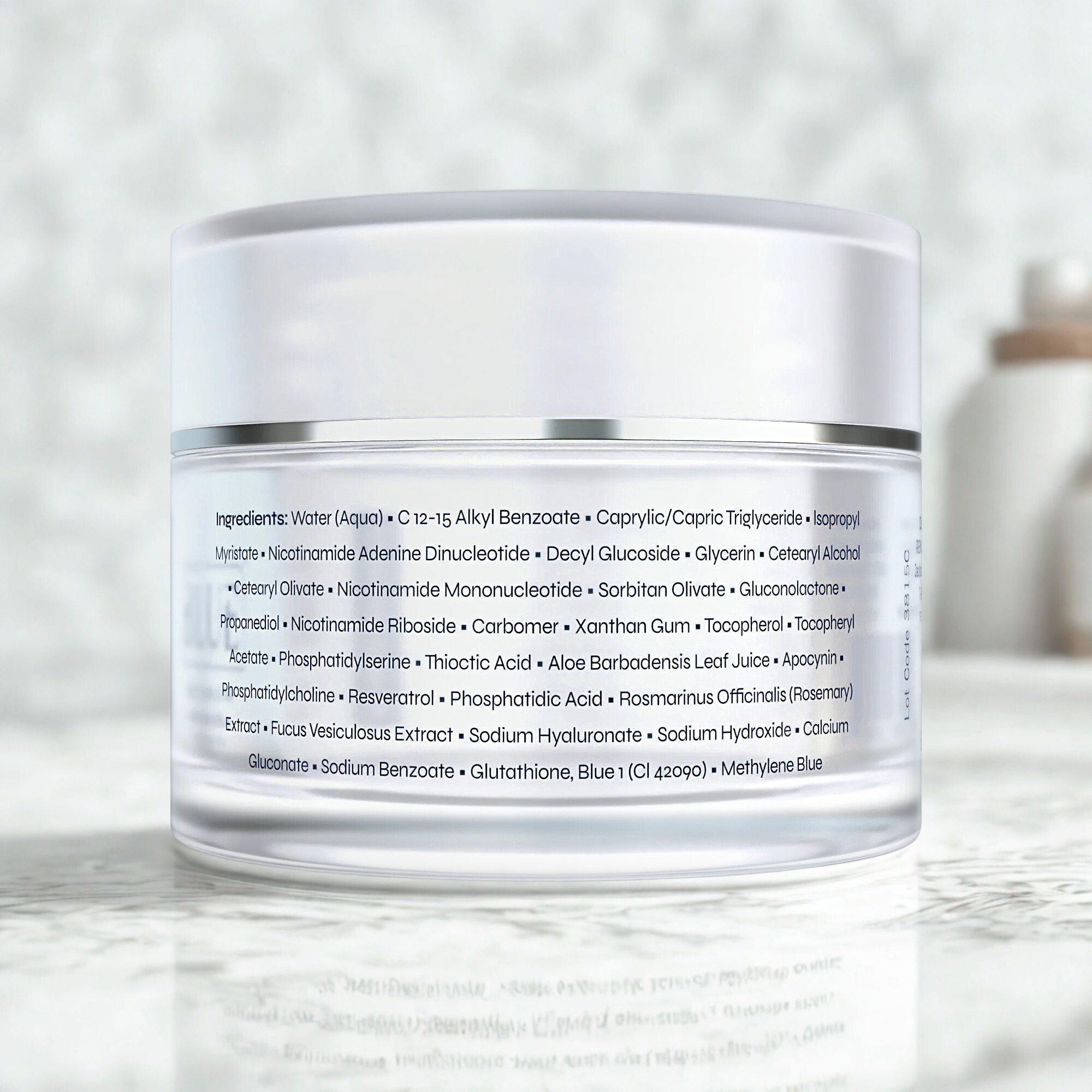
How to Read a Skincare Label Like a Pro
The front of the bottle is marketing. The back is what actually matters. Here's how to decode ingredient lists so you stop wasting money on hype.
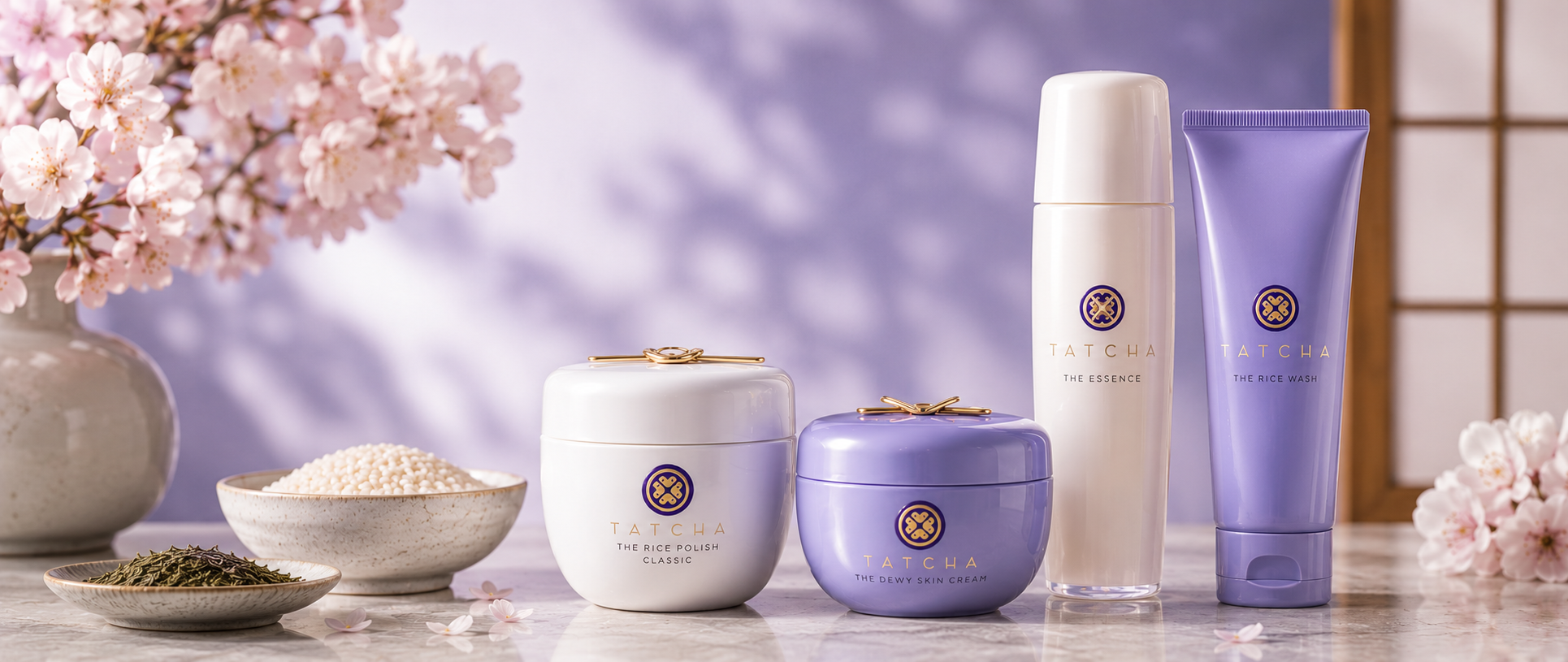
Tatcha: Gorgeous Packaging, Solid Products, Debatable Price Tag
Tatcha is beautiful. The packaging, the experience, the whole vibe. But is it actually worth the money, or are you just paying for purple jars?

When Skincare Isn't Enough: Signs You Need To See a Dermatologist
Sometimes over-the-counter products aren't enough. Here's when it's time to stop experimenting and get professional help.
Fragrance in Skincare: The Ingredient Everyone Has an Opinion About
Some people avoid fragrance like it's poison. Others don't care at all. Here's what actually matters and how to figure out where you fall.