


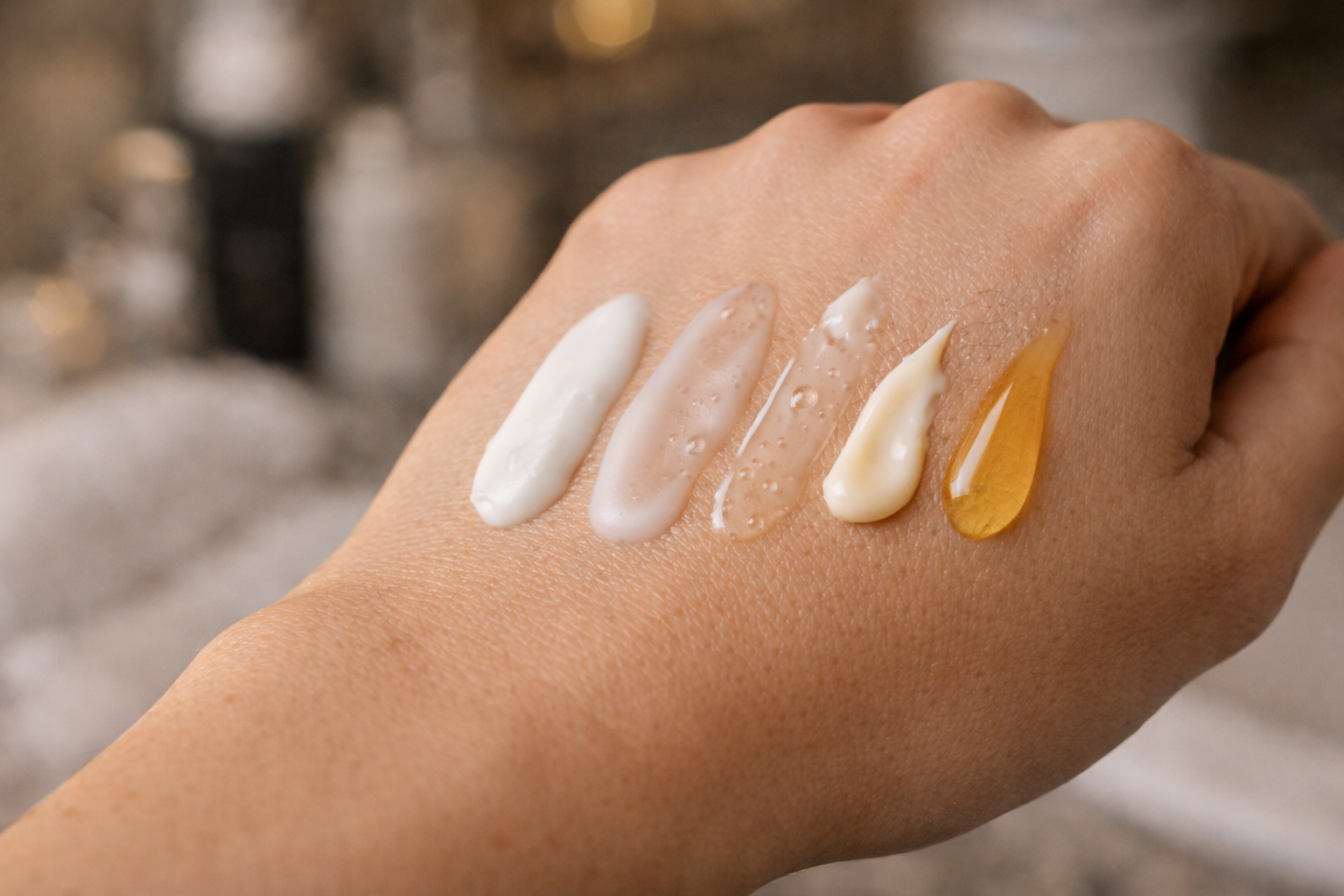
Skincare Order of Application
You can have all the right products and still mess it up if you're applying them in the wrong order. Here's how to layer your skincare so it actually works.
Introduction
The order you apply your skincare actually matters. Not in a nitpicky, obsessive way — but enough that getting it wrong can block ingredients from absorbing or cause your products to pill up and sit on your face doing nothing.
The basic rule is simple: thinnest to thickest, water-based before oil-based. But once you start layering multiple serums, actives, oils, and SPF, it gets confusing fast.
Here's the breakdown.
Our Order of Skincare
Cleanser — Start with a clean face. This applies morning and night.
Toner or essence (optional) — If you're using one, this goes right after cleansing. It preps your skin and adds a layer of hydration. Not essential, but helpful for some people.
Treatment serums — This is where your actives go. Vitamin C in the morning. Retinol or exfoliating acids at night. Niacinamide whenever. These are water-based and need to penetrate, so they go on early.
Eye cream (if you use one) — Tap it gently around your orbital bone. Don't tug or pull.
Moisturizer — This seals in everything you've applied so far. It's thicker and more occlusive than serums, so it goes on after.
Facial oil (optional) — If you're using a face oil, it goes after moisturizer. Oil creates a barrier that water-based products can't penetrate, so this comes last in your treatment steps.
Sunscreen (morning only) — Always the final step in your morning routine. Nothing goes on top of sunscreen except makeup.
Why This Order Matters
Serums are lightweight and packed with active ingredients that need to penetrate your skin. If you put moisturizer on first, you're creating a barrier that blocks the serum from getting in.
Oils sit on top of everything and create a seal. That's great for locking in moisture, but terrible if you're trying to apply a water-based serum afterward — it won't absorb.
Sunscreen needs to form an even film on your skin to protect properly. Anything layered on top (except makeup) can disrupt that film and reduce effectiveness.
What About Multiple Serums?
If you're using more than one serum, go from thinnest to thickest. If they're similar consistency, it doesn't matter as much — just give each one a minute to absorb before adding the next.
But honestly, you probably don't need three serums in one routine. Two max is usually plenty. More doesn't mean better — it just increases the chance of irritation and pilling.
Common Mistakes
Applying oil before serum — This blocks absorption. Oil always goes after water-based products.
Skipping sunscreen in the morning — Not negotiable. If you're doing a morning routine, SPF is the last step.
Layering too many actives at once — Using retinol, vitamin C, and an exfoliating acid all in the same routine is overkill. Your skin doesn't need that much stimulation at once, and you're just asking for irritation.
Not letting products absorb — Give each layer 30-60 seconds to sink in before adding the next one. Piling everything on at once doesn't make it work faster.
Adjusting For Your Skin Type
If you have oily skin, you might skip the facial oil and stick with a lightweight gel moisturizer. If you have dry skin, you might layer a hydrating toner, serum, moisturizer, and oil. If you have sensitive skin, you might buffer your actives by applying them after moisturizer instead of before.
The order I listed is the standard guideline, but you can tweak it based on what your skin needs and how it responds.
Bottom Line
Skincare order isn't rocket science, but it's also not arbitrary. Thin to thick, water before oil, actives before moisturizer, sunscreen last. Follow that and you'll be fine.
Don't stress about getting it perfect down to the second. Just make sure your serums aren't blocked by oils, your sunscreen goes on last in the morning, and you're not layering five actives at once. That's 90% of it.
More to read
Skincare Basics: The Only Three Things You Actually Need
Everyone wants to sell you a 12-step routine. But good skin starts with three things: cleanser, moisturizer, sunscreen. Everything else is optional.

Morning vs. Night Skincare: Why Your Routine Shouldn't Be The Same Twice a Day
Our skin has different jobs during the day and at night. Your routine should reflect that — or you're missing out on what certain ingredients can actually do.
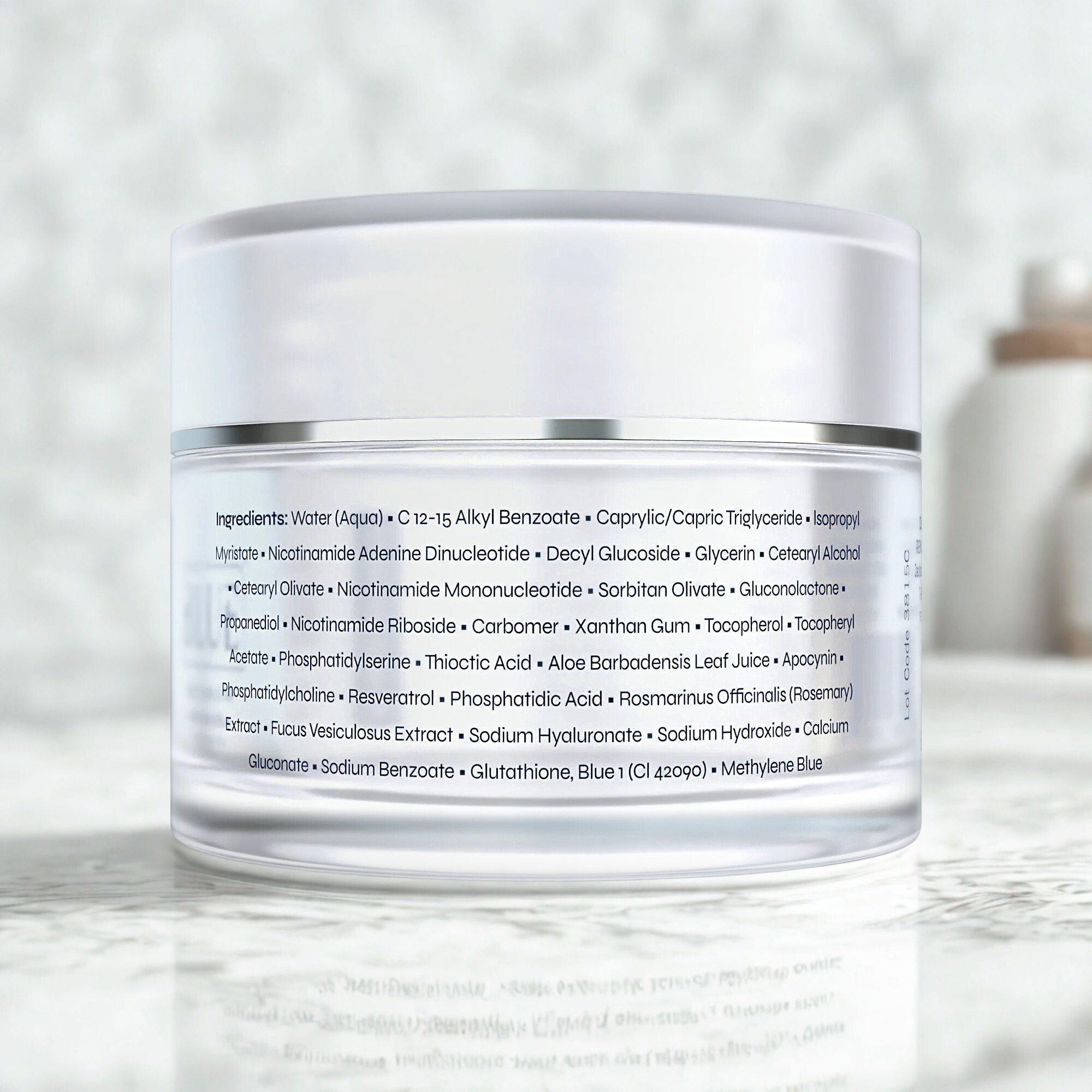
How to Read a Skincare Label Like a Pro
The front of the bottle is marketing. The back is what actually matters. Here's how to decode ingredient lists so you stop wasting money on hype.

Skin Cycling: The Routine Strategy That Actually Makes Sense
Skin cycling is a structured way to use actives without wrecking your barrier. Here's how it works and why it's better than using everything every night.