


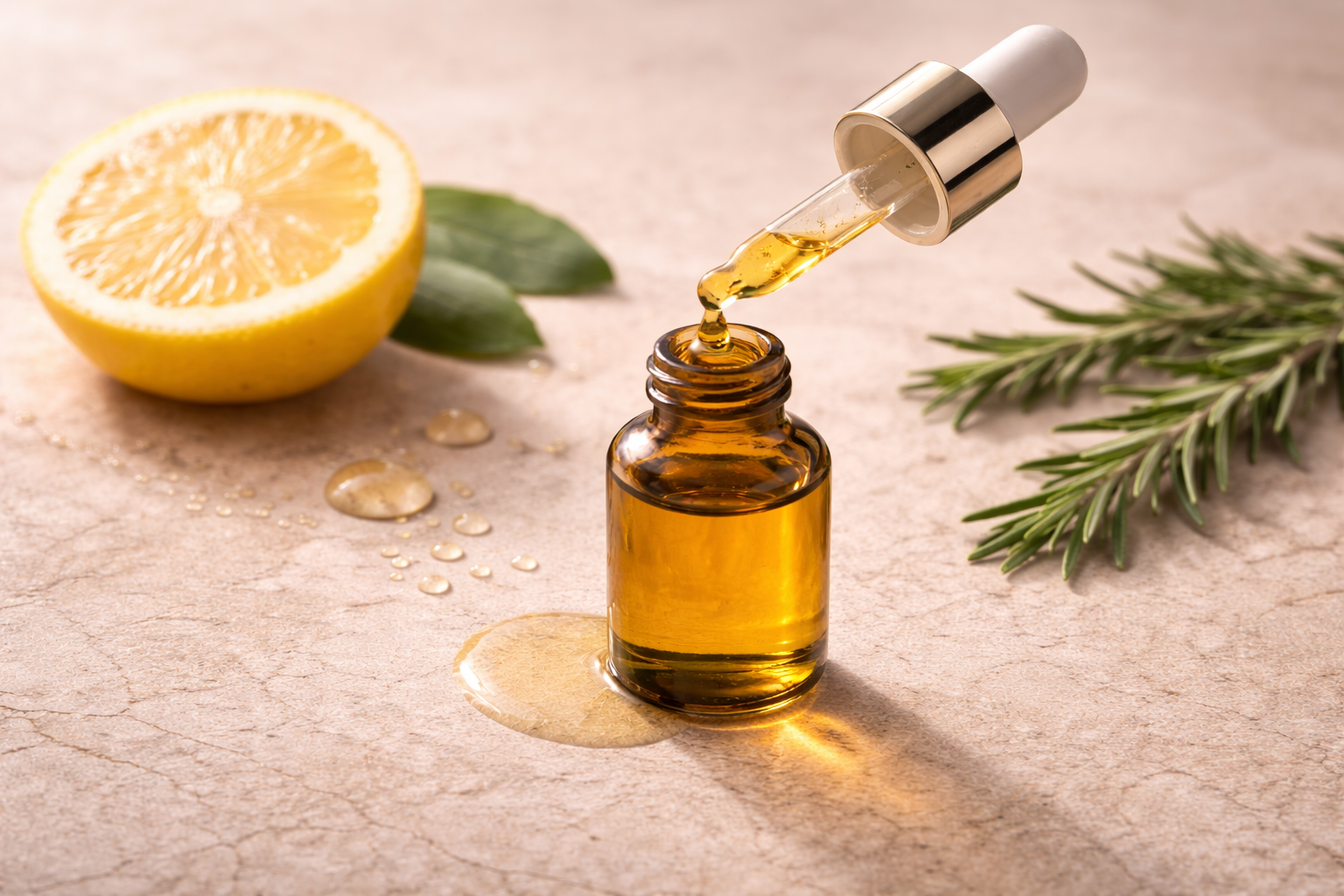
Fragrance in Skincare: The Ingredient Everyone Has an Opinion About
Some people avoid fragrance like it's poison. Others don't care at all. Here's what actually matters and how to figure out where you fall.
Introduction
Fragrance is the skincare ingredient that sparks the most arguments. Some people treat it like a universal dealbreaker — the first thing they check on a label. Others couldn't care less and happily slather on products that smell like a luxury spa.
So who's right? Is fragrance actually bad for your skin, or is the panic overblown?
The answer is frustratingly nuanced: it depends on your skin, your routine, and what kind of fragrance we're talking about.
What “Fragrance” Actually Mea
When you see "fragrance" or "parfum" on an ingredient list, that can mean a lot of things. Synthetic aroma chemicals. Natural essential oils. Botanical extracts. A proprietary blend of 20+ ingredients the brand doesn't have to disclose.
In the U.S., companies aren't required to break down what's in their fragrance blend — it's protected as a trade secret. So when you see "fragrance" listed, you have no idea what you're actually putting on your face.
This lack of transparency is one reason people avoid it. You can't make an informed choice if you don't know what's in the product.
Why Some People's Skin Hates It
Fragrance — both synthetic and natural — is one of the most common causes of skin irritation and allergic reactions. For people with sensitive skin, eczema, or a compromised barrier, it can trigger redness, itching, stinging, or inflammation.
And here's the sneaky part: fragrance can act as a sensitizer, meaning it might not cause a reaction immediately. You could use a fragranced product for months with no issues, then suddenly develop sensitivity to it over time.
Essential oils aren't a safe alternative, either. Lavender, citrus, peppermint — these are all common irritants despite being "natural." Natural doesn't mean non-irritating.
Why Brands Use It Anyway
Fragrance isn't just there to make products smell nice (though that's part of it). It's often added to mask the smell of raw ingredients, which can be... unpleasant. Without fragrance, some products would smell like feet or chemicals, and nobody's using that consistently.
And for a lot of users, scent makes the experience enjoyable. If you love the way your moisturizer smells, you're more likely to use it every day. Consistency is what gets results in skincare — so if fragrance helps with that, it's not entirely useless.
Should You Avoid Fragrance Completely?
No. Plenty of people use fragranced products their whole lives with zero issues. If your skin isn't reactive and you're not experiencing irritation, fragrance isn't inherently hurting you.
But if you have sensitive skin, rosacea, eczema, or a damaged barrier, fragrance-free is the safer bet. And if you're layering multiple products — cleanser, toner, serum, moisturizer, sunscreen — all with fragrance, you're increasing your exposure and your risk of irritation.
A good middle ground: keep fragrance in one or two products max, and skip it in your leave-on treatments (serums, moisturizers). If it's in your cleanser or mask, you're rinsing it off anyway, so the exposure is minimal.
How To Figure Out If It a Problem For You
Pay attention to your skin. If you're experiencing unexplained redness, stinging, itching, or breakouts, try eliminating fragrance for a few weeks and see if it improves.
If your skin is calm and happy, fragrance probably isn't your issue. Don't overthink it.
Final Thoughts
Fragrance isn't universally bad, but it's not risk-free either. For some people, it's completely fine. For others, it's a guaranteed irritant.
The key is knowing your skin and being honest about how it reacts. If fragrance makes you happy and your skin tolerates it, enjoy it. If it causes problems, skip it without guilt.
More to read
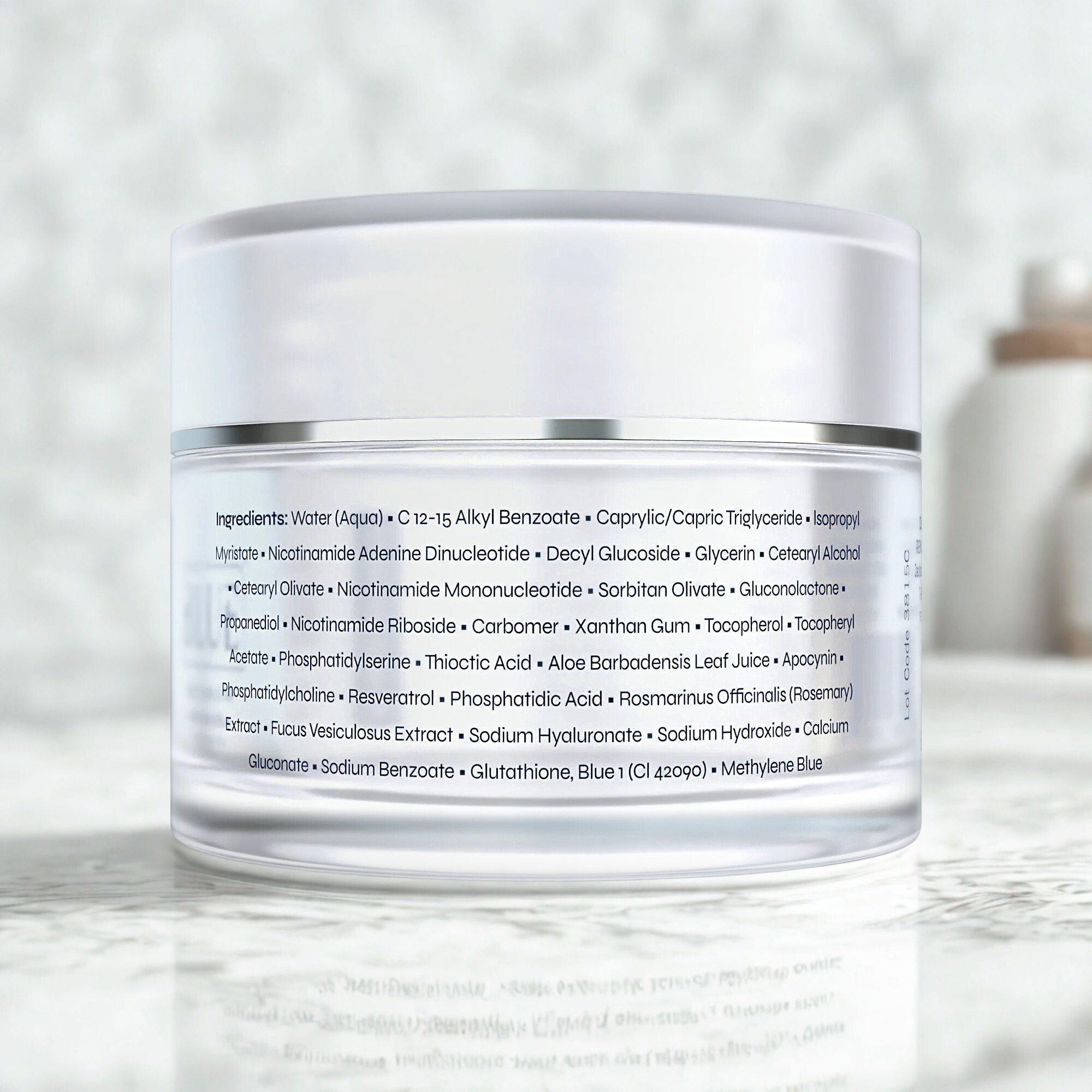
How to Read a Skincare Label Like a Pro
The front of the bottle is marketing. The back is what actually matters. Here's how to decode ingredient lists so you stop wasting money on hype.
Alcohol in Skincare: Why Everyone Freaks Out (And Why They're Only Half Right)
Not all alcohols are bad. Some are genuinely helpful. But the skincare world treats them all the same, and that's where the confusion starts.
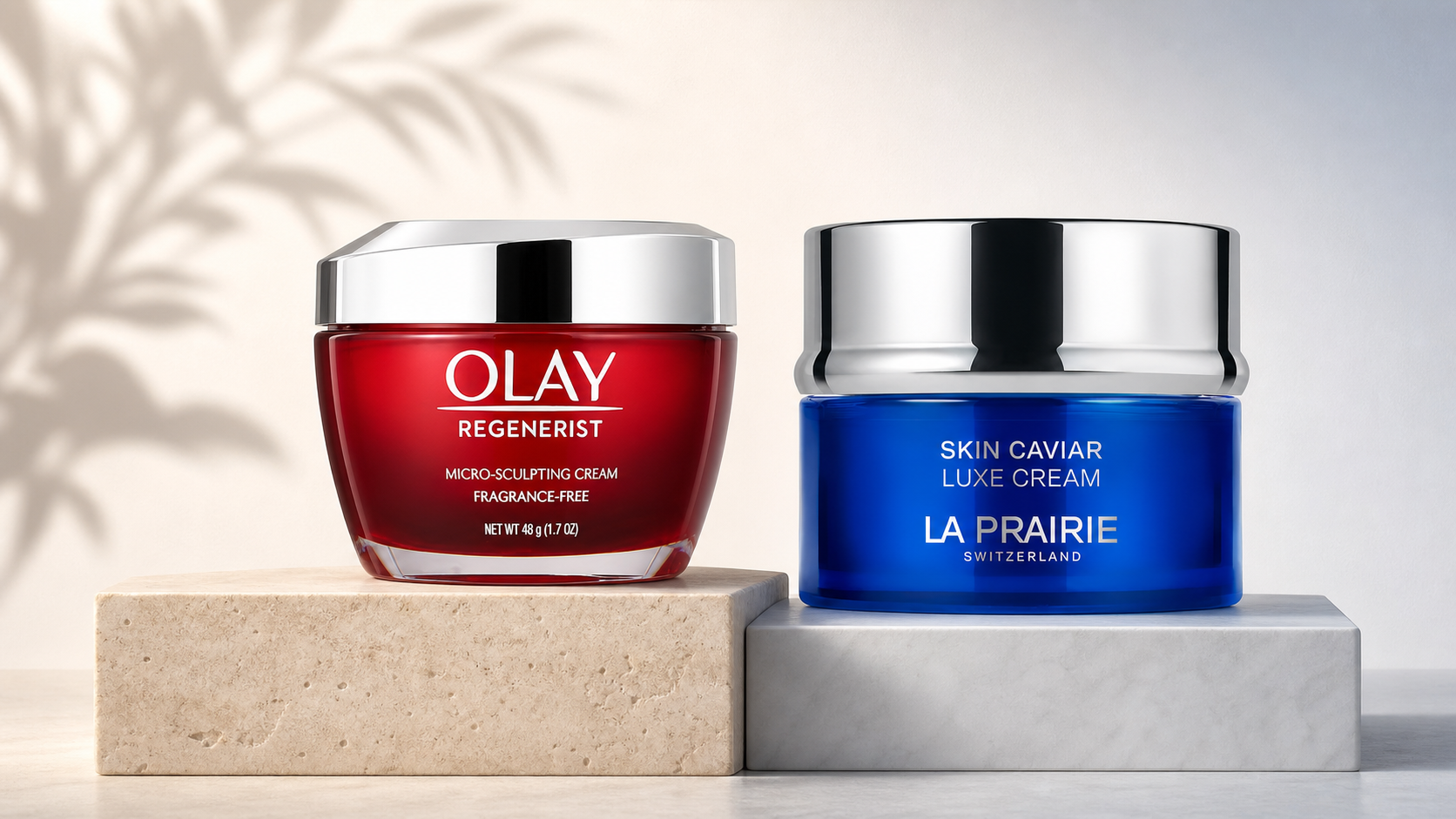
Expensive vs. Drugstore Skincare: What's Actually Worth The Money
Some expensive products are worth it. Some aren't. Here's how to tell the difference and where you can save money without sacrificing results.
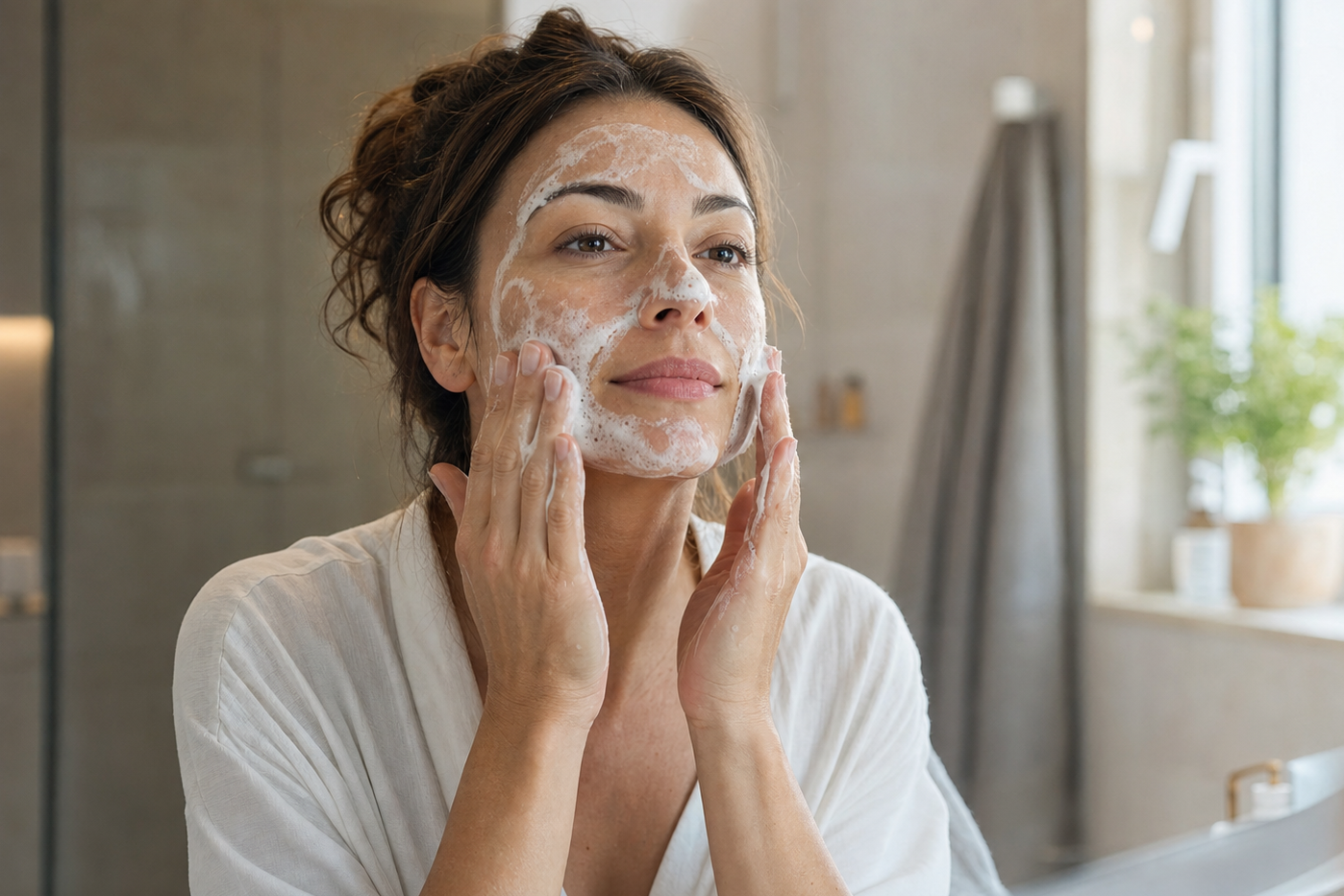
Skincare Basics: The Only Three Things You Actually Need
Everyone wants to sell you a 12-step routine. But good skin starts with three things: cleanser, moisturizer, sunscreen. Everything else is optional.