



When Skincare Isn't Enough: Signs You Need To See a Dermatologist
Sometimes over-the-counter products aren't enough. Here's when it's time to stop experimenting and get professional help.
Introduction
There's a lot you can do for your skin with over-the-counter products. But there's also a point where DIY skincare hits its limit and you need professional help.
Here's how to tell when you've crossed that line.
Your Acne Isn't Responding To Anything
If you've tried salicylic acid, benzoyl peroxide, and over-the-counter retinoids for several months with zero improvement, it's time to see a derm. You might need prescription-strength treatments like tretinoin, oral antibiotics, or spironolactone.
Cystic acne especially needs professional treatment. Those deep, painful bumps under the skin won't respond to topical products alone.
You Have Sudden, Unexplained Changes
If your skin suddenly gets worse — new rashes, persistent redness, texture changes, or breakouts that don't match your usual pattern — see a dermatologist. Sudden changes can signal an underlying issue that needs medical attention, not just a new serum.
You're Dealing With Severe Hyperpigmentation or Melasma
Over-the-counter products can help with mild dark spots, but stubborn hyperpigmentation or melasma often needs prescription treatments like hydroquinone, tretinoin, or in-office procedures like chemical peels or laser treatments.
If you've been using vitamin C and niacinamide for months with minimal improvement, a derm can offer stronger options.
You Have a Mole or Spot That's Changing
Any mole that changes in size, shape, color, or texture needs to be checked by a dermatologist. Same with any new spot that looks different from your other moles, or anything that bleeds, itches, or won't heal.
This isn't something to mess around with. Early detection of skin cancer saves lives.
You Have a Rosacea or Persistent Redness
If your face is constantly red, flushed, or you have visible blood vessels that won't go away, you might have rosacea. This is a medical condition that needs professional diagnosis and treatment.
Over-the-counter products can help manage symptoms, but prescription treatments like azelaic acid, metronidazole, or laser therapy are often more effective.
Your Skin Barrier Is Wrecked and Nothing's Fixing It
If you've simplified your routine, cut out all actives, focused on barrier repair, and your skin is still red, irritated, and reactive after weeks, see a derm. You might be dealing with eczema, contact dermatitis, or another condition that needs medical treatment.
You Want Prescription Retinoids
Tretinoin is significantly more effective than over-the-counter retinol for anti-aging and acne. If you've maxed out what OTC retinol can do and you want stronger results, a dermatologist can prescribe tretinoin or other prescription retinoids.
You're Dealing With Hair Loss
Sudden hair loss, thinning, or bald patches need professional evaluation. It could be hormonal, genetic, stress-related, or a sign of an underlying health issue. A dermatologist can help diagnose the cause and recommend treatment.
How To Get The Most Out Of Your Derm Appointment
Come prepared. Bring a list of products you're currently using, including over-the-counter and prescription items. Take photos of your skin on good days and bad days so the derm can see patterns.
Be specific about your concerns and what you've already tried. Don't just say "my skin is bad" — explain exactly what's bothering you and what hasn't worked.
Ask questions. If they prescribe something, ask about side effects, how long it takes to work, and what to expect. If they recommend a procedure, ask about cost, downtime, and alternatives.
Bottom Line
Over-the-counter skincare is powerful, but it has limits. If you've been struggling with the same issue for months despite trying everything, or if you're dealing with something that looks or feels concerning, don't keep experimenting — see a dermatologist.
Your skin is worth professional care when it needs it. There's no badge of honor for solving everything yourself.
More to read
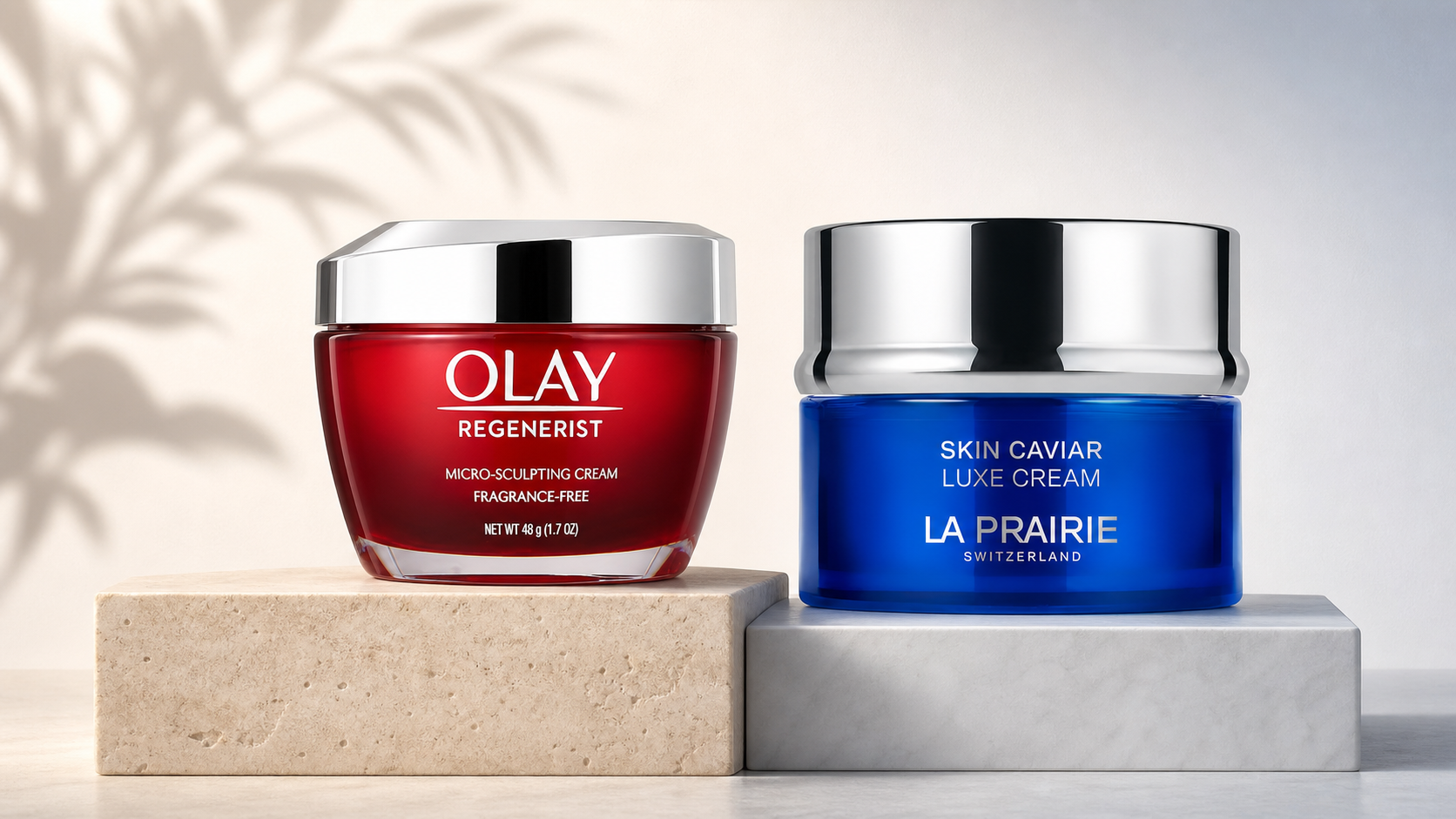
Expensive vs. Drugstore Skincare: What's Actually Worth The Money
Some expensive products are worth it. Some aren't. Here's how to tell the difference and where you can save money without sacrificing results.
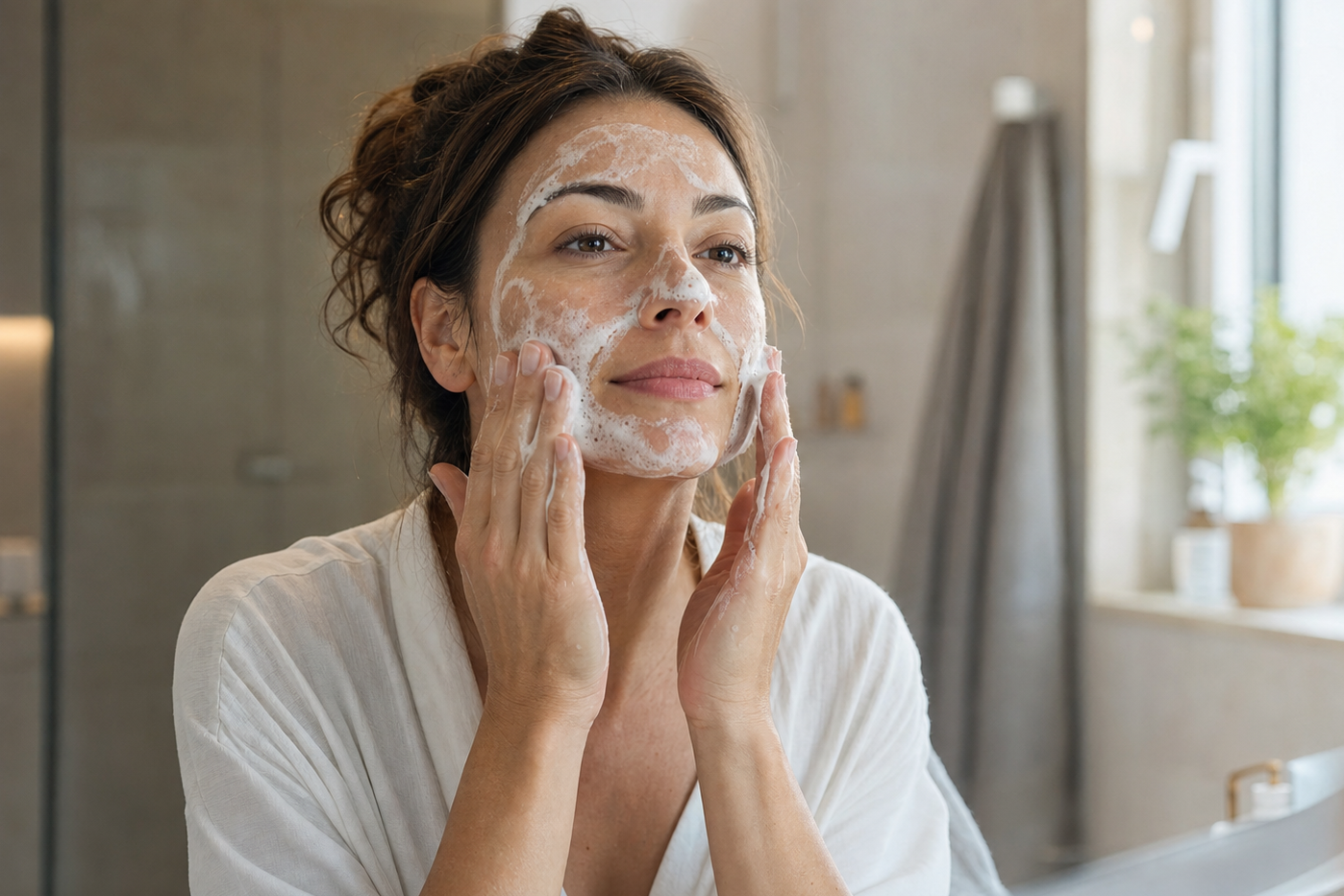
Skincare Basics: The Only Three Things You Actually Need
Everyone wants to sell you a 12-step routine. But good skin starts with three things: cleanser, moisturizer, sunscreen. Everything else is optional.
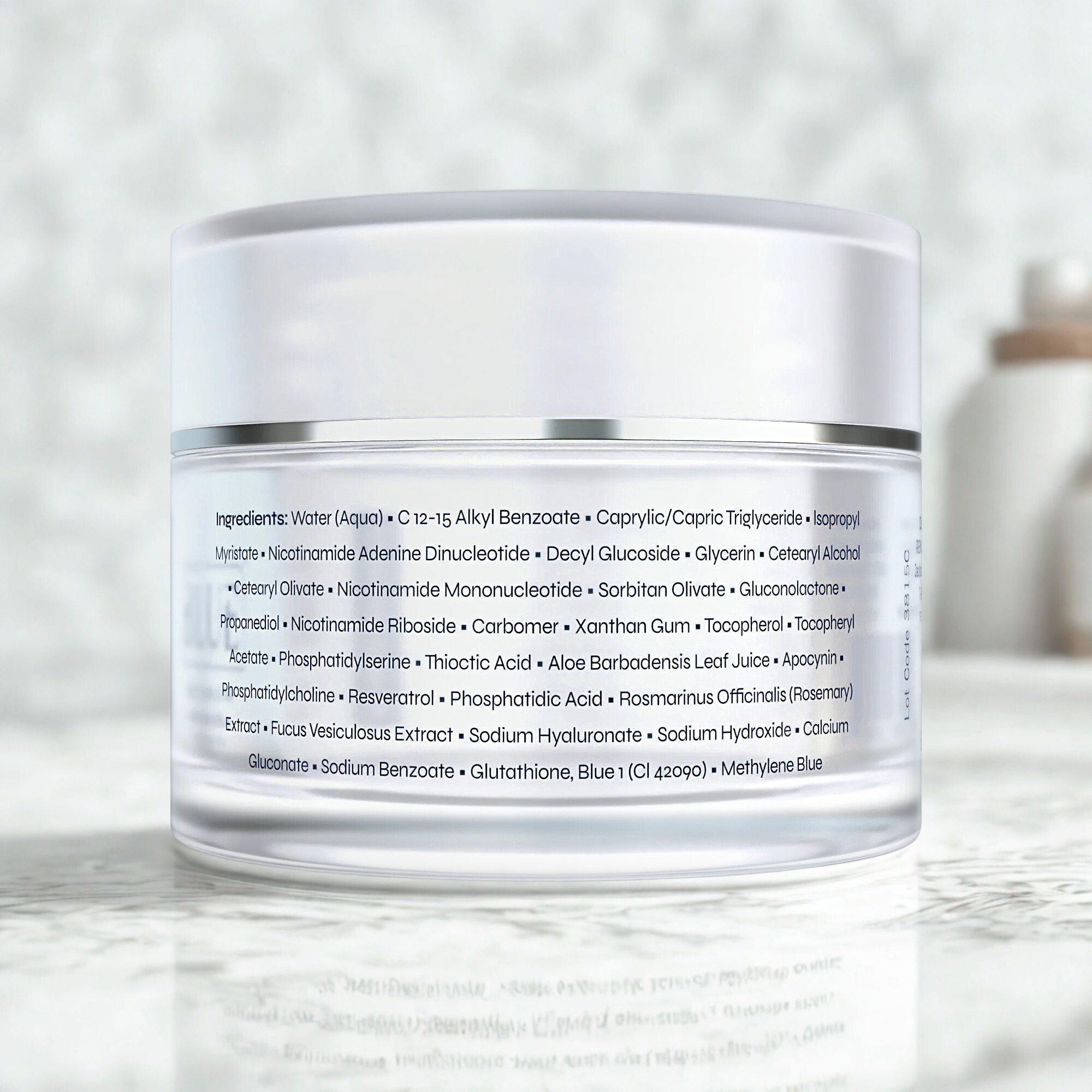
How to Read a Skincare Label Like a Pro
The front of the bottle is marketing. The back is what actually matters. Here's how to decode ingredient lists so you stop wasting money on hype.

Double Cleansing: Do You Actually Need It, or Is It Just Extra?
Double cleansing is everywhere in skincare routines, but do you really need to wash your face twice? Here's when it helps and when it's overkill.