


Alcohol in Skincare: Why Everyone Freaks Out (And Why They're Only Half Right)
Not all alcohols are bad. Some are genuinely helpful. But the skincare world treats them all the same, and that's where the confusion starts.
Introduction
Alcohol is probably the most misunderstood ingredient in skincare. People see it on a label and panic. "Alcohol dries out your skin!" "It destroys your barrier!" "Never use anything with alcohol!"
And sometimes they're right. But most of the time, they're not actually talking about the same ingredient.
There are different types of alcohol in skincare, and they do completely different things. Some are problematic. Some are helpful. Lumping them all together is like saying "fruit is bad" because you don't like grapefruit.
The "Bad" Alcohol Everyone's Mad About
When people complain about alcohol in skincare, they're usually talking about denatured alcohol — often listed as "alcohol denat." or "SD alcohol."
This is the type that evaporates quickly, gives products a lightweight feel, and leaves that instantly matte finish. It's in a lot of toners, gels, and oil-control products because it dries fast and doesn't feel greasy.
The problem? In high concentrations, especially if it's listed in the first few ingredients, denatured alcohol can strip your skin, disrupt your barrier, and cause dryness and irritation over time. For people with dry or sensitive skin, it's usually not great.
But — and this is important — that doesn't mean it's always harmful. In small amounts, as part of a well-formulated product, it can actually help with absorption and texture without causing problems. The dose makes the poison.
The "Good" Alcohols Nobody's Worried About
Then there are fatty alcohols — things like cetyl alcohol, cetearyl alcohol, stearyl alcohol, and behenyl alcohol. These are completely different from denatured alcohol.
Fatty alcohols are emollients. They soften and smooth your skin. They help products spread evenly and give them that creamy, luxurious texture. They're in moisturizers, conditioners, and rich creams because they're hydrating and conditioning.
They don't dry you out. They don't evaporate. They're not irritating. They're helpful, and most people's skin tolerates them just fine.
So when you see "cetearyl alcohol" on a moisturizer, that's not the same thing as "alcohol denat." in a toner. Same word, completely different function.
How To Tell Which Kind You're Dealing With
Check the ingredient list. If you see "alcohol," "alcohol denat.," or "SD alcohol" in the first five ingredients, and your skin tends to be dry or reactive, that's worth paying attention to.
If you see "cetyl alcohol," "cetearyl alcohol," "stearyl alcohol," or "behenyl alcohol," you're dealing with a fatty alcohol. These are fine — actually, they're usually beneficial.
The confusion happens because they all have "alcohol" in the name, but chemically and functionally, they're not the same thing at all.
Should You Avoid All Denatured Alcohols?
Not necessarily. If you have oily skin and you're using a lightweight gel with a small amount of denatured alcohol that helps it absorb quickly, and your skin feels fine, you're probably okay.
But if you have dry or sensitive skin, or if you're using multiple products with high concentrations of denatured alcohol, it's worth reconsidering. Over time, it can compromise your barrier and make your skin more reactive.
As always: pay attention to how your skin responds. If a product with alcohol makes your face feel tight, red, or irritated, that's your cue to skip it.
Final Thoughts
Alcohol isn't a one-size-fits-all villain. Some types are problematic in high concentrations. Some are genuinely helpful and non-irritating.
The key is knowing which type you're looking at, where it falls on the ingredient list, and how your skin reacts to it. Blanket rules don't work in skincare — context does.
So before you toss a product because it has "alcohol" on the label, check which kind it is. You might be avoiding something that would actually help.
More to read
Fragrance in Skincare: The Ingredient Everyone Has an Opinion About
Some people avoid fragrance like it's poison. Others don't care at all. Here's what actually matters and how to figure out where you fall.
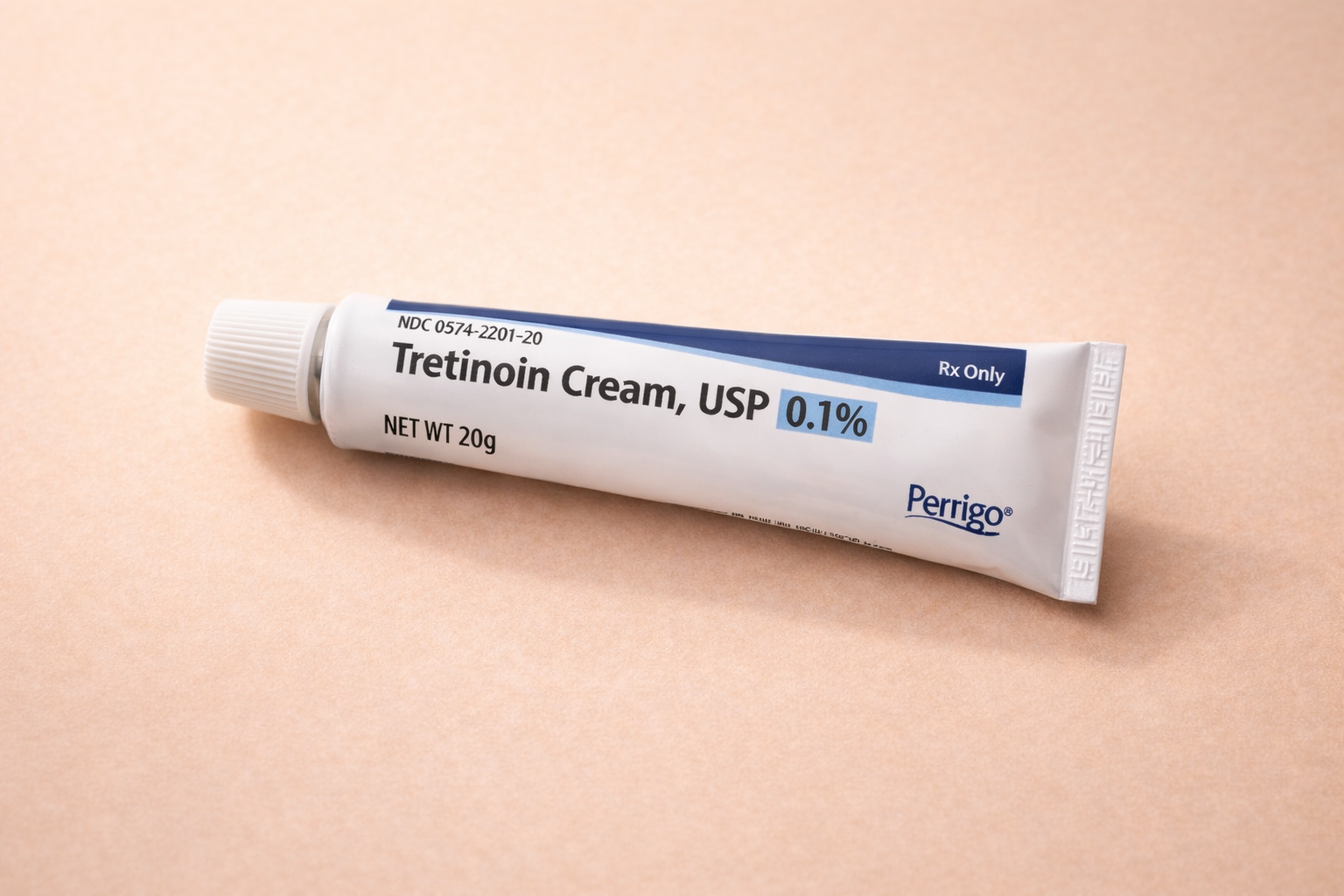
Retinol: The One Ingredient Everyone Talks About (And Most People Use Wrong)
Retinol works. We know this. But most people either quit too soon or push too hard. Here's how to actually use it without wrecking your skin.
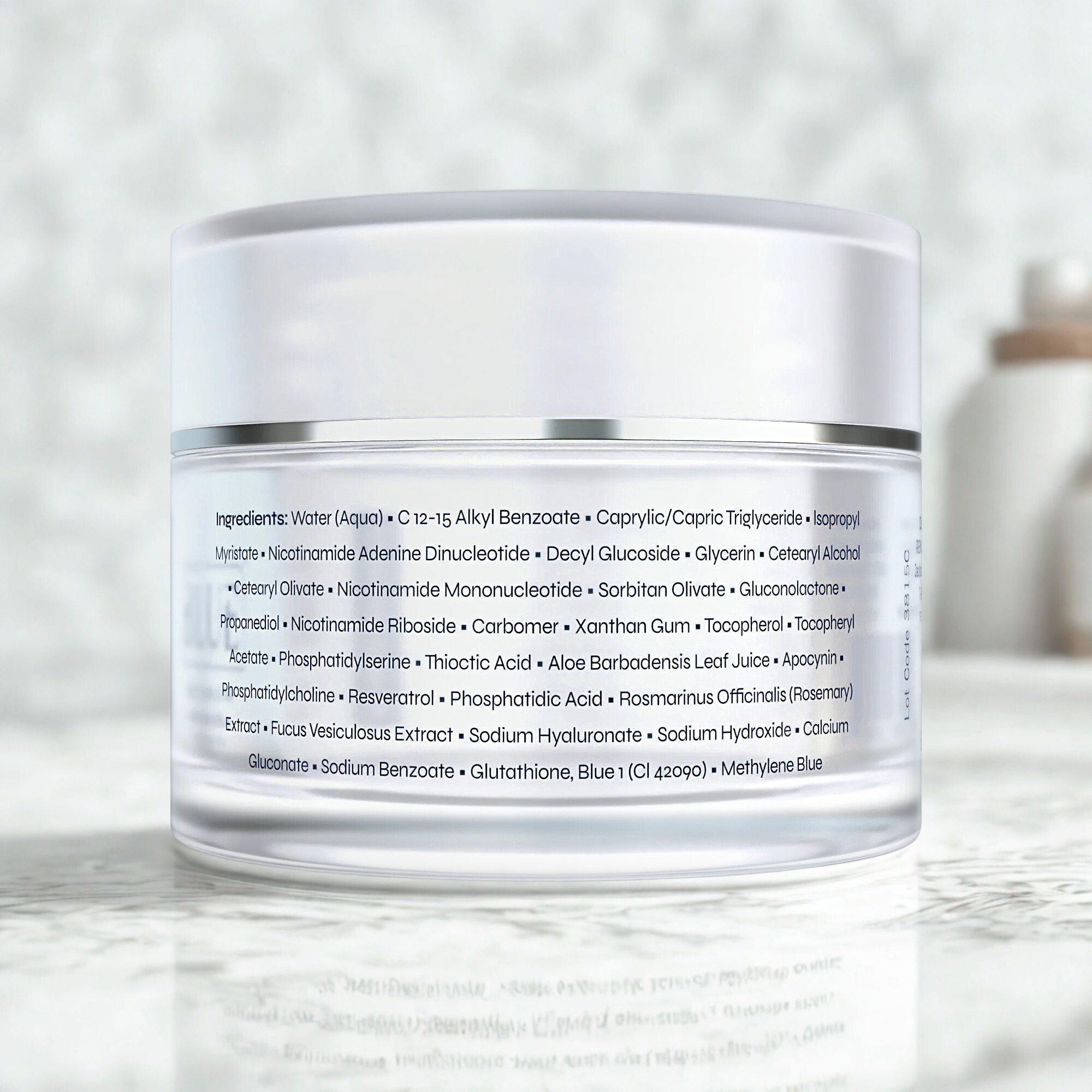
How to Read a Skincare Label Like a Pro
The front of the bottle is marketing. The back is what actually matters. Here's how to decode ingredient lists so you stop wasting money on hype.
Hyaluronic Acid: The Ingredient That’s Only as Good as Your Routine
Hyaluronic acid is in everything, and everyone swears by it. But if you're using it on dry skin in a dry climate without sealing it in, it might actually be making things worse.