



Sunscreen Myths That Need to Die
There's more misinformation about sunscreen than almost any other skincare topic. Let's clear up what actually matters and what's just noise.
Introduction
Sunscreen is the single most effective anti-aging product you can use. It prevents sun damage, reduces your risk of skin cancer, and stops hyperpigmentation from getting worse.
And yet, there's more confusion and misinformation about sunscreen than almost anything else in skincare. So let's clear some things up.
Myth: You Don't Need Sunscreen Indoors
UV rays go through windows. If you're sitting near a window during the day, you're getting UV exposure. Not as much as if you were outside, but enough to cause damage over time.
If you're working from home and sitting by a window all day, wear sunscreen. If you're in a windowless room all day, you can probably skip it.
Myth: You Don't Need Sunscreen On Cloudy Days
Up to 80% of UV rays penetrate clouds. You're still getting UV exposure on overcast days — it just doesn't feel as intense because the sun isn't directly on your skin.
Wear sunscreen every day, regardless of weather.
Myth: Higher SPF Means Better Protection
SPF 30 blocks about 97% of UVB rays. SPF 50 blocks about 98%. SPF 100 blocks about 99%. The difference between SPF 30 and SPF 100 is marginal.
What matters more than the SPF number is how much you're applying and how often you're reapplying. SPF 30 applied generously and reapplied every two hours beats SPF 100 applied once in a thin layer.
Myth: Chemical Sunscreens Are Dangerous
There's a lot of fear-mongering around chemical (organic) sunscreens, especially ingredients like oxybenzone and octinoxate. The reality is that these ingredients have been studied extensively and are considered safe by regulatory bodies in the US, EU, and Asia.
Some people prefer mineral sunscreens (zinc oxide, titanium dioxide) because they sit on the surface of the skin instead of absorbing into it. That's a personal choice. But chemical sunscreens aren't inherently harmful.
The best sunscreen is the one you'll actually wear. If you hate the white cast of mineral sunscreen and you'll only wear a chemical formula, wear the chemical formula.
Myth: Makeup With SPF Is Enough
To get the SPF listed on makeup, you'd have to apply way more than you actually do. You're not putting on a quarter teaspoon of foundation. You're using a fraction of that.
Makeup with SPF can add a little extra protection on top of your actual sunscreen, but it's not a replacement.
Myth: You Need To Reapply Every Two Hours No Matter What
If you're outside in direct sunlight, yes — reapply every two hours. If you're swimming or sweating, reapply more often.
But if you're indoors all day with minimal sun exposure, one application in the morning is fine. You don't need to reapply sunscreen at your desk every two hours if you're not getting UV exposure.
Myth: Sunscreen Prevents Your Body From Making Vitamin D
Sunscreen does reduce vitamin D production, but most people still get enough through diet and incidental sun exposure (walking to your car, running errands, etc.). If you're concerned about vitamin D, take a supplement. Don't skip sunscreen.
The skin cancer and premature aging risks of unprotected sun exposure far outweigh any vitamin D concerns.
What Actually Matters
Broad spectrum protection (UVA and UVB). SPF 30 minimum. Generous application — about a quarter teaspoon for your face. Reapplication when you're getting extended sun exposure.
Find a sunscreen you like wearing. If it's greasy or makes you break out or has a white cast you hate, you won't use it consistently. There are so many options now — mineral, chemical, tinted, untinted, matte, dewy. Try different ones until you find something that works for you.
Bottom Line
Sunscreen is the most important step in your skincare routine. Wear it every day. Don't overthink the SPF number or the mineral vs. chemical debate. Just find one you'll actually use and wear it consistently.
Everything else — serums, actives, expensive moisturizers — is secondary to daily sun protection.
More to read
Skincare Basics: The Only Three Things You Actually Need
Everyone wants to sell you a 12-step routine. But good skin starts with three things: cleanser, moisturizer, sunscreen. Everything else is optional.
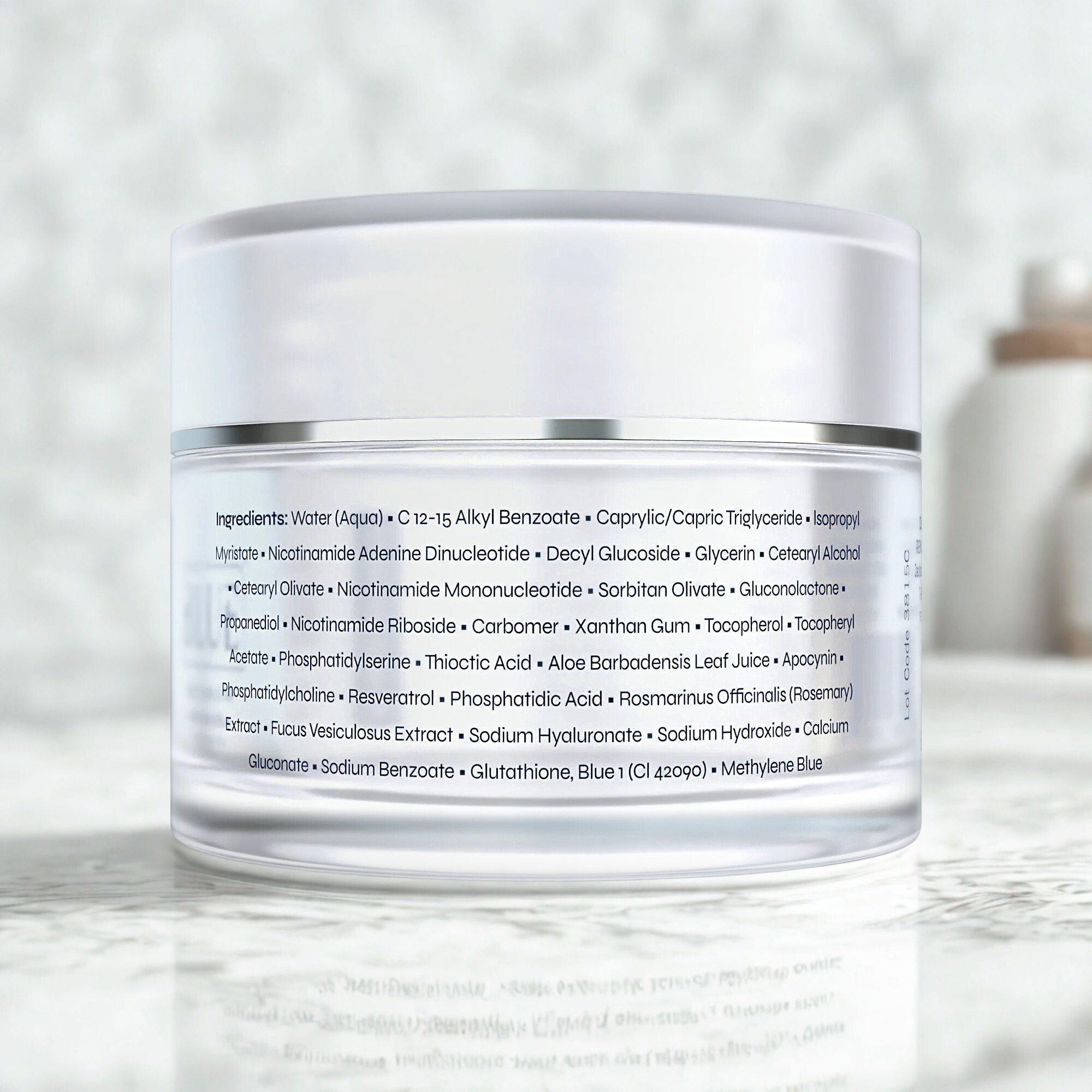
How to Read a Skincare Label Like a Pro
The front of the bottle is marketing. The back is what actually matters. Here's how to decode ingredient lists so you stop wasting money on hype.
Fragrance in Skincare: The Ingredient Everyone Has an Opinion About
Some people avoid fragrance like it's poison. Others don't care at all. Here's what actually matters and how to figure out where you fall.

Barrier Repair: The Non-Popular Thing Your Skin Actually Needs
If your skin is red, tight, and freaking out over products that used to be fine, your barrier is probably wrecked. Here's how to fix it.