



Barrier Repair: The Non-Popular Thing Your Skin Actually Needs
If your skin is red, tight, and freaking out over products that used to be fine, your barrier is probably wrecked. Here's how to fix it.
Introduction
Your skin barrier is the thing nobody talks about until it's destroyed. Then suddenly everything burns, your face is red and flaky, and products you've used for years are making things worse.
The skin barrier is your first line of defense against the outside world. When it's healthy, your skin feels smooth, bouncy, and resilient. When it's damaged, everything — weather, pollution, even water — can irritate you.
What The Barrier Actually Is
The skin barrier is the outermost layer of your skin — the stratum corneum. Think of it like a brick wall: your skin cells are the bricks, and the lipids (ceramides, cholesterol, fatty acids) are the mortar holding them together.
Its job is to keep water in and irritants out. When that wall is intact, your skin stays hydrated and protected. When it's compromised, water escapes and irritants get in. That's when problems start.
Signs Your Skin Barrier is Damaged
- Redness or inflammation
- Flakiness or dry patches
- Stinging or burning sensations when applying products
- Increased breakouts
- Itchiness or tightness
- Sudden sensitivity to ingredients you once tolerated
Redness that won't go away. Flaky, dry patches even though you're moisturizing. Stinging or burning when you apply products that used to be fine. Sudden breakouts. Tightness. Itchiness. Sensitivity to ingredients you've used forever.
If your skin feels angry and you can't figure out why, your barrier is probably compromised.
What Damages the Skin Barrier?
- Over-exfoliation (acids, scrubs, or retinoids)
- Harsh cleansers that strip natural oils
- Environmental stressors (cold weather, sun exposure, pollution)
- Over-washing the face
- Lack of sleep, stress, and poor diet
Usually, we do it to ourselves. Over-exfoliating is the big one — using acids or retinol too aggressively, or layering multiple actives at once. Harsh cleansers that strip your natural oils. Environmental stress like cold weather, wind, or too much sun.
Even just using too many products can mess with your skin's balance. Your barrier doesn't need 10 steps. It needs consistency and ingredients that actually support it.
How To Fix It
First, strip your routine back to basics. Gentle cleanser, simple moisturizer, sunscreen. That's it. No actives. No exfoliants. No retinol. Your skin needs a break.
Look for barrier-repairing ingredients: ceramides, cholesterol, fatty acids, panthenol, niacinamide. These help rebuild the lipid layer and strengthen your skin's defenses.
Layer in hydration with humectants like glycerin or hyaluronic acid, but make sure you're sealing them in with a good moisturizer. Hydration without occlusion doesn't help.
Skip all actives until your skin calms down. No vitamin C. No acids. No retinol. These are helpful when your barrier is healthy, but damaging when it's not.
And wear sunscreen every day — sun exposure slows down healing and makes everything worse.
How Long It Takes
Barrier repair isn't instant. It can take anywhere from a few days to a few weeks depending on how damaged your skin is. Be patient. Don't keep switching products or adding new actives because you're not seeing results fast enough.
Stick with the basics, stay consistent, and let your skin heal.
How To Keep Your Barrier Healthy Long-Term
Don't over-exfoliate. You don't need to use acids or retinol every single day. Even if your skin can handle it now, overdoing it will catch up with you eventually.
Use products with barrier-supporting ingredients even when your skin feels fine. Prevention is easier than repair.
Listen to your skin. If something stings or makes your face feel tight and uncomfortable, stop using it. Your skin is telling you it's too much.
Stay hydrated, eat healthy fats (omega-3s help), and get enough sleep. Your skin barrier is affected by what's happening inside your body, not just what you put on it.
Final Thoughts
A healthy skin barrier is the foundation of everything else. You can have the best serums and actives in the world, but if your barrier is compromised, they're not going to work — they're just going to make things worse.
If your skin is irritated, inflamed, or just feels off, step back. Simplify. Focus on gentle, barrier-supporting products and give your skin time to recover.
Good skin isn't about using the most products or the strongest actives. It's about keeping your barrier intact so everything else can actually work.
More to read

Skin Cycling: The Routine Strategy That Actually Makes Sense
Skin cycling is a structured way to use actives without wrecking your barrier. Here's how it works and why it's better than using everything every night.

When Skincare Isn't Enough: Signs You Need To See a Dermatologist
Sometimes over-the-counter products aren't enough. Here's when it's time to stop experimenting and get professional help.
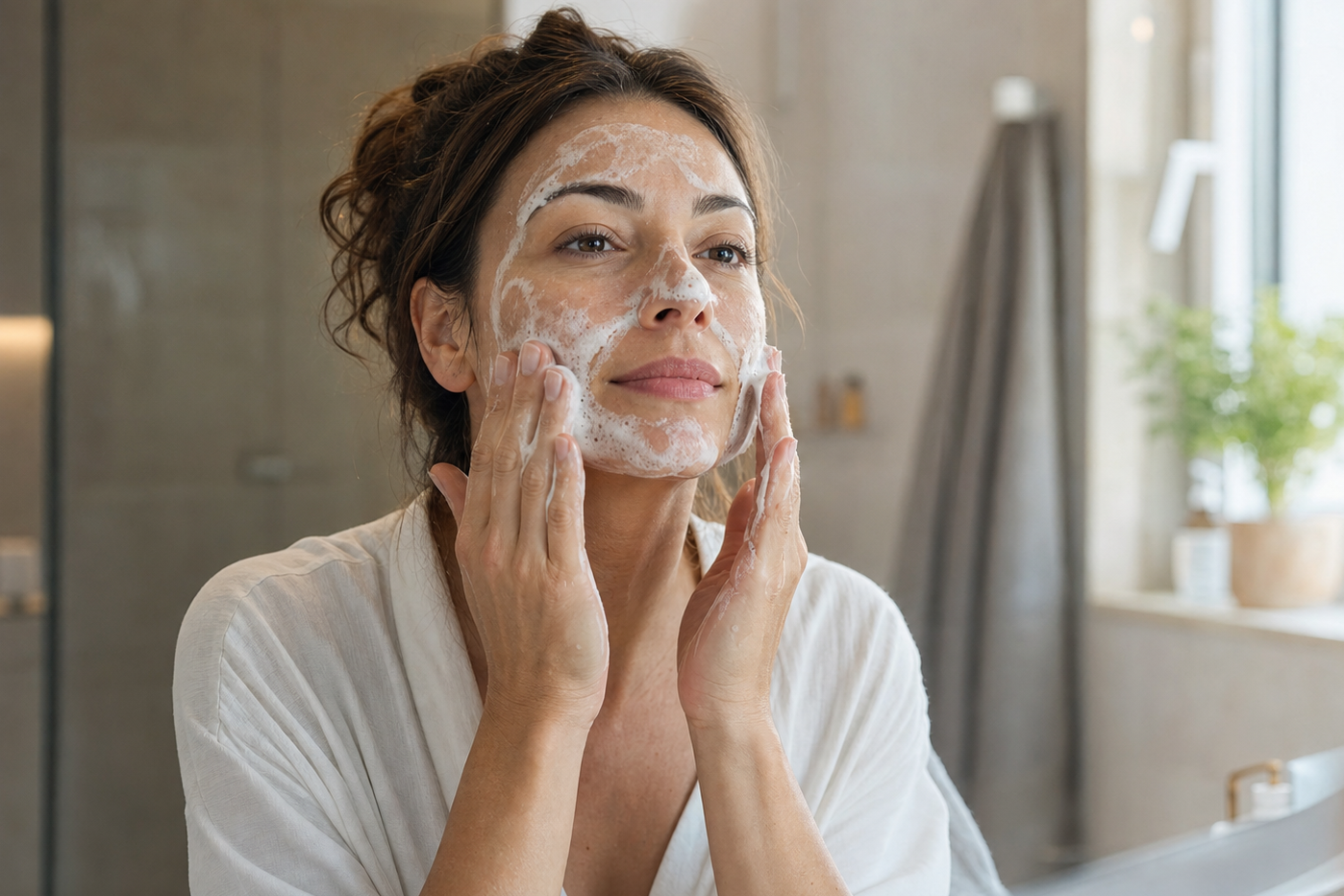
Skincare Basics: The Only Three Things You Actually Need
Everyone wants to sell you a 12-step routine. But good skin starts with three things: cleanser, moisturizer, sunscreen. Everything else is optional.
Hyaluronic Acid: The Ingredient That’s Only as Good as Your Routine
Hyaluronic acid is in everything, and everyone swears by it. But if you're using it on dry skin in a dry climate without sealing it in, it might actually be making things worse.