


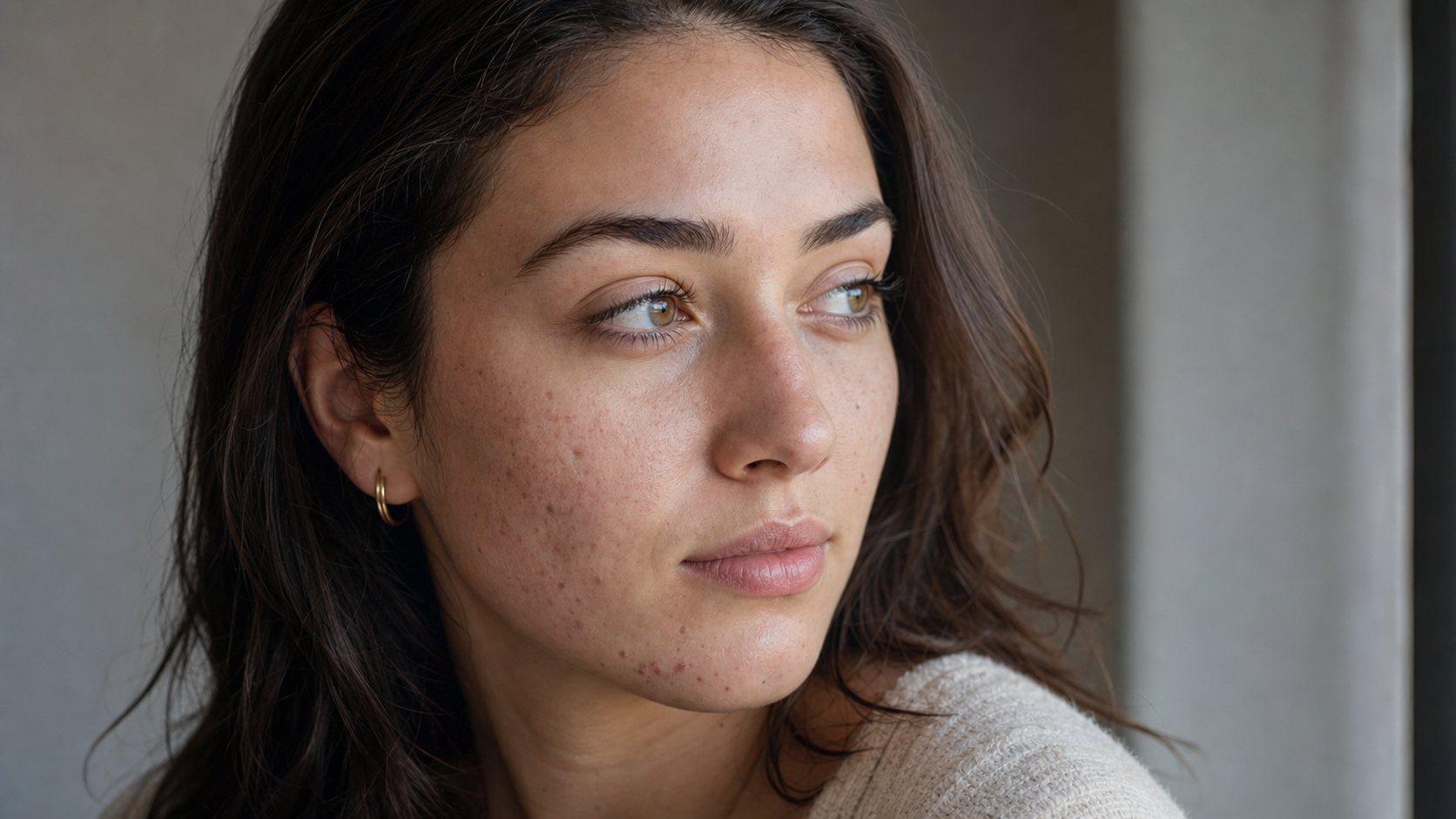
Post-Acne Marks: Why They Stick Around and How To Actually Fade Them
Your acne cleared up, but the dark marks are still there. Here's why they happen and what actually works to fade them.
Introduction
The pimple is gone, but the dark spot it left behind is still staring at you in the mirror weeks later. Sometimes these marks fade on their own. Sometimes they stick around for months.
Here's why they happen and how to get rid of them faster.
What Post-Acne Marks Actually Are
Post-inflammatory hyperpigmentation (PIH) is what happens when your skin produces extra melanin in response to inflammation. When you get a pimple, your skin gets inflamed. As it heals, it sometimes overproduces pigment in that spot, leaving behind a dark mark.
These aren't scars — they're flat discolorations. Actual acne scars are textured (indented or raised). PIH is just pigment and will fade over time, but it can take months or even years if you don't treat it.
Why Some People Get Them Worse Than Others
If you have darker skin, you're more prone to PIH. The more melanin your skin produces naturally, the more likely you are to overproduce it after inflammation.
Picking at your skin makes it worse. Every time you squeeze or pick at a pimple, you're causing more trauma and inflammation, which leads to darker, longer-lasting marks.
Sun exposure darkens PIH. UV rays trigger more melanin production, so if you're not wearing sunscreen, those marks will get darker and take longer to fade.
What Actually Helps Fade Them
Sunscreen is non-negotiable. If you do nothing else, wear SPF 30 or higher every day. UV exposure will make PIH darker and prevent it from fading. This is the single most important thing.
Vitamin C inhibits melanin production and helps fade existing pigmentation. Use it in the morning under sunscreen. Look for L-ascorbic acid or stable derivatives like sodium ascorbyl phosphate.
Niacinamide reduces melanin transfer to skin cells and has anti-inflammatory properties. It won't fade PIH as fast as some other ingredients, but it's gentle and works well for sensitive skin.
Retinoids speed up cell turnover, which helps fade pigmentation faster. Tretinoin is the most effective, but over-the-counter retinol can also help. Start slow to avoid irritation.
Azelaic acid is a gentle option that both fades pigmentation and prevents new breakouts. It's especially good for people with acne-prone skin dealing with PIH.
AHAs like glycolic acid or mandelic acid exfoliate the surface and help fade dark spots. Mandelic acid is gentler and better for sensitive or darker skin tones.
What Won't Help
Lemon juice, baking soda, toothpaste — these DIY remedies are harsh, irritating, and can make PIH worse. Skip the Pinterest hacks.
Most over-the-counter "scar creams" are overpriced and ineffective. If they don't contain proven ingredients like vitamin C, niacinamide, or retinoids, they're not doing much.
How Long It Takes
PIH can take 6-12 months to fade on its own without treatment. With consistent use of the right products, you can speed that up to 2-4 months.
But you have to be patient and consistent. Using vitamin C for two weeks and then giving up because you don't see results won't work. These ingredients need time.
When To See a Dermatologist
If your PIH is severe or stubborn, a dermatologist can prescribe stronger treatments like hydroquinone or tretinoin. They can also do in-office treatments like chemical peels or laser therapy that fade marks faster than topical products alone.
If you're dealing with actual textured acne scars (not just pigmentation), those need professional treatment. Topical products won't fix indented or raised scars.
How To Prevent New Marks
Stop picking. The more you mess with a pimple, the worse the mark will be. Let it heal on its own or use a spot treatment.
Treat your acne before it becomes inflamed. Preventing breakouts in the first place is easier than fading the marks they leave behind.
Wear sunscreen every single day. This can't be stressed enough — UV exposure makes PIH darker and longer-lasting.
Bottom Line
Post-acne marks are frustrating, but they will fade with time and the right treatment. Sunscreen, vitamin C, retinoids, and niacinamide are your best bets for speeding up the process.
Be patient, stay consistent, and stop picking at your skin. The marks will fade — it just takes longer than you'd like.
More to read

Acne Products That Actually Make Your Breakouts Worse
Sometimes the products you're using to clear your acne are the exact reason it's getting worse. Here's what to watch out for.
When Skincare Isn't Enough: Signs You Need To See a Dermatologist
Sometimes over-the-counter products aren't enough. Here's when it's time to stop experimenting and get professional help.
Salicylic Acid: The Breakout-Fighting BHA That Actually Works
Salicylic acid gets deep into pores and actually clears them out. But most people use it way too aggressively and wonder why their skin freaks out.
Niacinamide: The Ingredient That's In Everything (And Why That Might Be a Problem)
Niacinamide is everywhere. Your moisturizer, your serum, probably your cleanser too. But more isn't always better — and your skin might be trying to tell you that.