
Phloretin
Phloretin
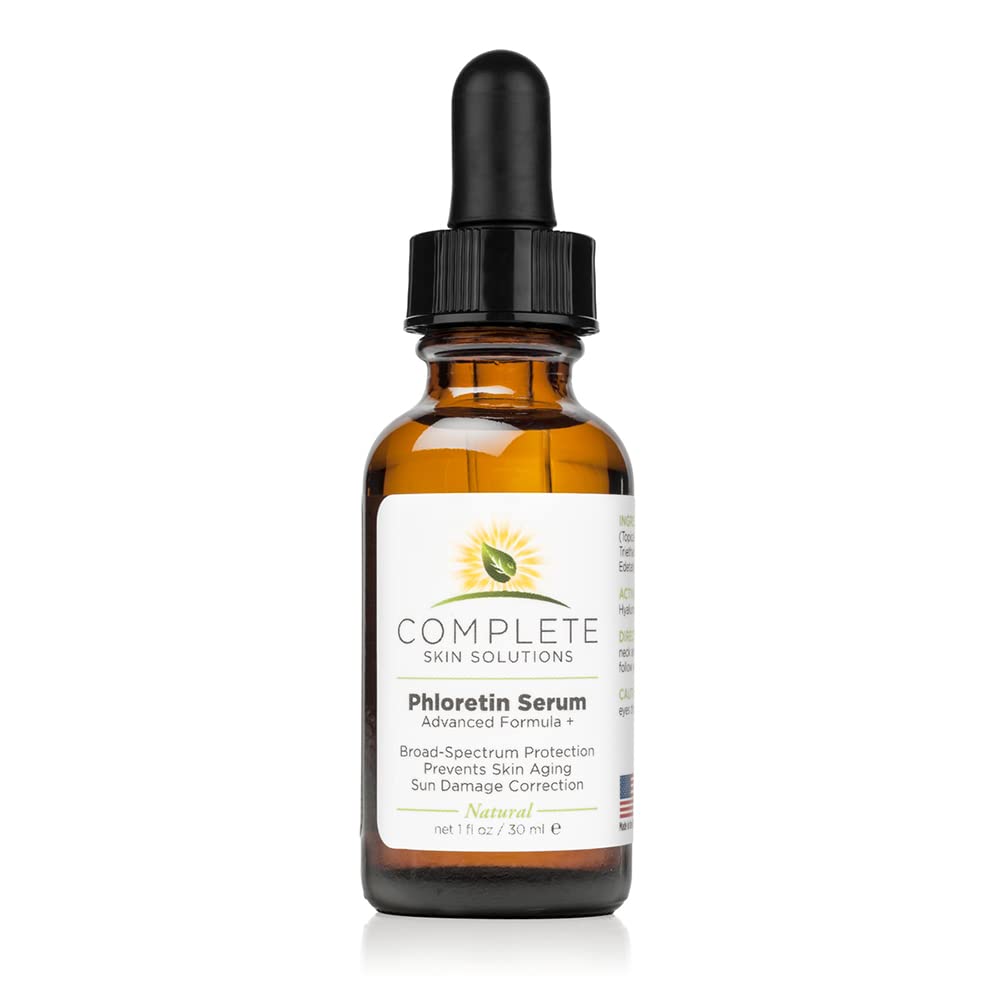
Phloretin is a naturally occurring dihydrochalcone flavonoid found in apples and other fruits. In cosmetics, it is used primarily as an antioxidant and brightening active, and it is also described in EU CosIng as an anti-sebum/antioxidant ingredient. It is generally formulated in leave-on antioxidant serums and treatment products, often alongside vitamin C and ferulic acid. PubChem lists its molecular formula as C15H14O5 and molecular weight as 274.27 g/mol. ([pubchem.ncbi.nlm.nih.gov](https://pubchem.ncbi.nlm.nih.gov/compound/Phloretin?utm_source=openai))
Benefits
Chemical Properties
Skin Type Compatibility
Interactions
Risks & Warnings
Main concerns are mild irritation or stinging in sensitive skin, especially in low-pH leave-on formulas. Published reviews note limited aqueous solubility and photoinstability, which can complicate formulation. As with most antioxidant actives, it is best paired with daily sunscreen because it does not provide UV protection itself. ([pubmed.ncbi.nlm.nih.gov](https://pubmed.ncbi.nlm.nih.gov/32971088/?utm_source=openai))